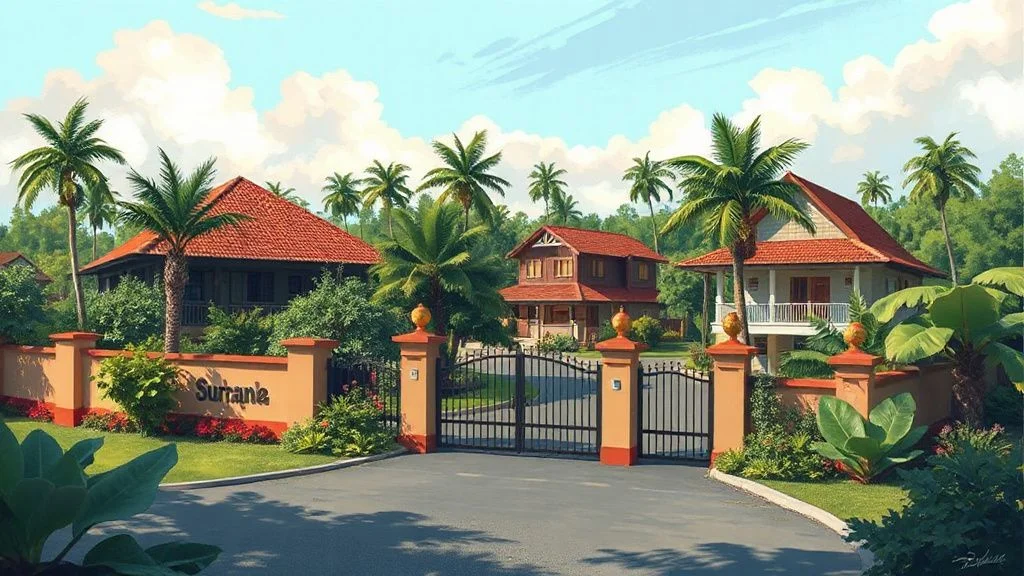
Renting a property in Suriname, especially in gated developments outside Paramaribo, has become a popular choice among expats and locals alike. Many people prefer the serene environment and the added security that these gated communities provide. However, understanding how the lease process works, particularly at the end of a lease term, is crucial for anyone considering or currently residing in these developments. This article delves into the details of how leases end, what tenants should expect, and offers practical tips for expats navigating this process.
Understanding Lease Agreements in Gated Developments
Gated developments often come with specific lease agreements that differ from standard rental contracts. These agreements typically outline the rights and responsibilities of both the landlord and the tenant. The lease is not the only thing that decides how it ends. The Huurwet Woonruimte 2020 (Wet van 26 februari 2020, S.B. 2020 no. 53) governs residential lettings and sets minimum notice periods that a lease cannot shorten. Article 3(1) makes a notice necessary in every case, fixed-term lettings included. Article 3(3)(a) requires at least three months before the agreed end date for a fixed-term letting, from either side. Article 3(3)(b) requires at least six months from the landlord and at least three months from the tenant where the letting is open-ended or was agreed orally.
In gated communities, tenants should carefully review their lease documents to understand the specific notice requirements and any fees associated with early termination, should they need to leave before the lease concludes.
Common Terms and Conditions
Lease agreements in gated developments may include various terms and conditions that are important for both parties. Here are some common elements:
- Security Deposit: Many leases require a security deposit, which is refundable at the end of the lease term, provided no damage has occurred.
- Maintenance Responsibilities: Tenants are usually responsible for routine maintenance, such as lawn care or minor repairs, while landlords handle major repairs and structural issues.
- Utilities: Leases often specify which utilities are included in the rent. In many cases, water and electricity are the tenant’s responsibility, while some gated communities may include security or maintenance fees in the monthly rental cost.
The Process of Ending a Lease
When it comes time to end a lease in a gated development, several steps are involved. Understanding these steps can help make the transition smoother for tenants.
1. Review Lease Terms
The first step is to thoroughly review the lease agreement. Tenants should pay close attention to the notice period and any additional requirements for vacating the property. For example, some leases might stipulate that the property must be in the same condition as it was upon move-in, barring normal wear and tear.
2. Provide Written Notice
Once the decision to vacate has been made, tenants must provide written notice to their landlord. This notice should include the date of intent to vacate and must be delivered within the timeframe specified in the lease. It’s not merely advisable to use a method that proves delivery: article 3(2) of the Huurwet Woonruimte 2020 requires the notice to be given in writing by registered letter or by bailiff's writ, an exploot. An email is not one of those forms, so do not rely on it. Where the tenant's spouse or partner is a co-tenant, the landlord must serve each of them separately.
Final Inspections and Security Deposit Return
A crucial aspect of ending a lease is the final inspection of the property. This inspection typically occurs shortly before the lease end date and will assess the condition of the unit. Tenants should prepare for this by cleaning the property and addressing any minor repairs that may be necessary.
Preparing for the Final Inspection
To maximize the chances of receiving the full security deposit back, tenants should consider the following:
- Clean Thoroughly: Ensure that all areas of the property, including appliances, bathrooms, and floors, are cleaned to a high standard.
- Repair Damage: Fix any damage that may have occurred during the tenancy, such as holes in walls or broken fixtures.
- Document the Condition: Take photographs of the property after cleaning and repairs as a record of its condition. This documentation can be useful if there is a dispute over the security deposit.
Security Deposit Return Timeline
No Surinamese statute sets a period within which a deposit must be returned, and the Huurwet Woonruimte 2020 does not provide one, so the only period that binds your landlord is the one written into the lease. However, this can vary, so it’s crucial to check the lease terms. If there are deductions from the security deposit for repairs or cleaning, landlords must provide an itemized list detailing these charges.
Common Challenges in Ending a Lease
Ending a lease can come with its share of challenges, particularly for expats who may be unfamiliar with local customs and regulations.
1. Language Barriers
For non-Dutch speakers, language barriers can complicate communication with landlords or property managers. It is advisable to have someone fluent in Dutch or hire a local real estate agent to assist with any negotiations or discussions regarding the lease termination.
2. Understanding Local Regulations
Different regions may have varying laws regarding rental agreements and tenant rights. Expats should familiarize themselves with local tenant laws to ensure they are treated fairly during the lease termination process. Consulting with local housing authorities or legal experts can provide clarity on tenant rights in Suriname.
Practical Tips for Expats Ending a Lease
Ending a lease can be a straightforward process with proper planning and preparation. Here are some practical tips for expats:
1. Start Early
Begin the process of ending your lease well in advance. This will give you ample time to find a new place, if necessary, and fulfill any notice requirements.
2. Communicate Openly with Your Landlord
Maintain open lines of communication with your landlord throughout the lease termination process. If there are any issues or concerns, addressing them early can prevent misunderstandings and disputes later on.
3. Seek Local Assistance
Consider hiring a local real estate agent or attorney who understands the Surinamese rental market and can provide guidance on the best practices for ending a lease. Their expertise can help navigate any complex situations that may arise.
Conclusion
Ending a lease in a gated development outside Paramaribo involves understanding the lease agreement, providing proper notice, and preparing for the final inspection. With awareness of the local norms and regulations, expats can navigate this process with confidence. By following the outlined steps and tips, tenants can ensure a smooth transition, maximizing their chances of a successful lease termination while minimizing any potential disputes over security deposits. Ultimately, being informed and proactive is key to a positive experience when moving on from a rental property in Suriname.