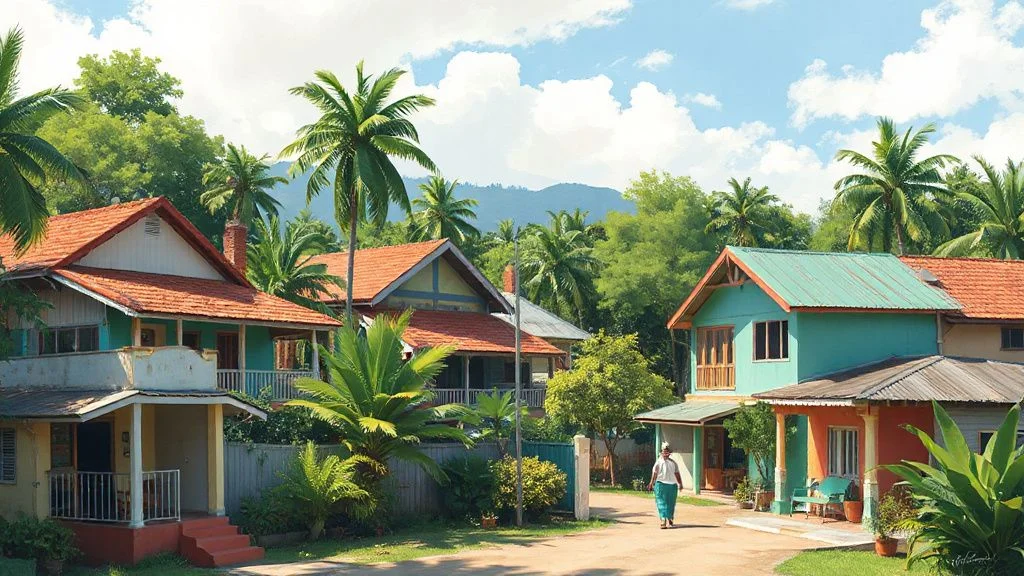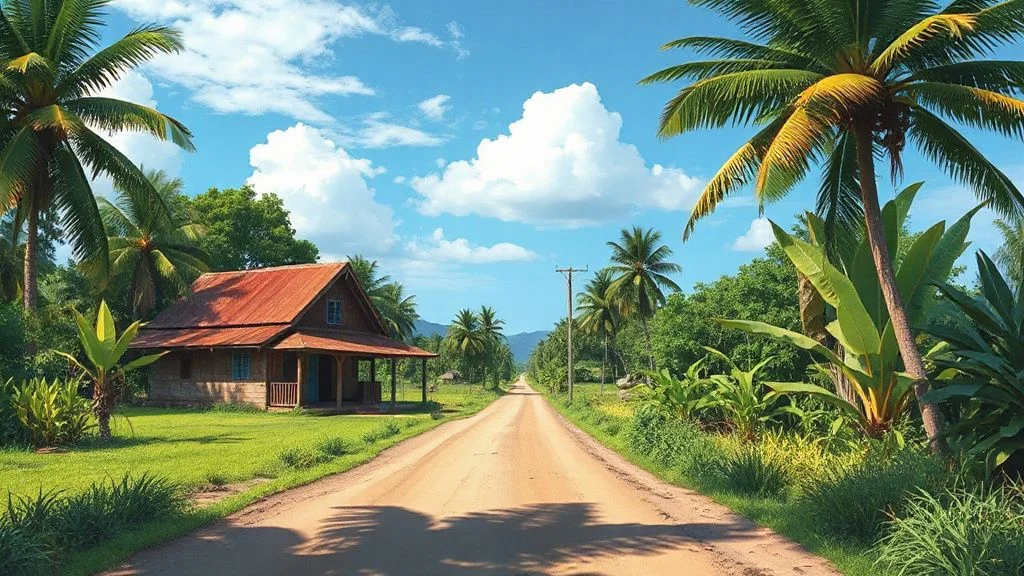
Leasing a property in Suriname, particularly those accessed via unpaved roads, poses unique considerations for potential renters. This guide will delve into the factors influencing lease costs, explore the intricacies of living in such areas, and provide practical advice for foreigners looking to secure housing. Understanding these elements is crucial for making informed decisions and ensuring a smooth rental experience.
Understanding Lease Costs for Properties on Unpaved Roads
In Suriname, properties accessed by unpaved roads can vary significantly in lease costs. These properties often fall under the category of grondhuur, or lease of state land. The exact lease amount can depend on various factors, including location, size, and the condition of the road. As of the latest information, specific dollar amounts for leases on unpaved roads are often not publicly available and can fluctuate based on negotiations and the current market landscape.
Properties in more remote areas, which are often accessed via unpaved roads, might have lower lease prices compared to urban centers like Paramaribo. However, the trade-off may include limited access to essential services, such as reliable transportation and utility supplies. Prices can vary widely based on the specific location and amenities offered.
Factors Influencing Lease Costs
Several factors come into play when determining the lease costs of properties reached by unpaved roads:
- Location: Proximity to urban areas or natural attractions can influence pricing. Properties further from Paramaribo may be more affordable, but they often lack access to amenities and services.
- Road Condition: Properties reached by well-maintained unpaved roads may command higher prices due to easier access, especially during the rainy season when some roads can become impassable.
- Size and Amenities: Larger properties or those with additional features like a garden or outbuildings typically have higher lease prices. Basic amenities, such as water supply and electricity, also play a role.
- Market Demand: The demand for rental properties in specific areas can fluctuate, impacting lease costs. Areas that have become popular with expats or local businesses may see increased prices.
Living Conditions on Unpaved Roads
Choosing to rent a property on an unpaved road in Suriname often means embracing a different lifestyle. While these locations can provide a serene environment surrounded by nature, they also come with practical challenges. Many foreign renters find that properties in these areas offer a unique charm and a taste of local culture, but they must also adjust to the realities of daily life in such settings.
Accessibility and Transportation
One of the first considerations for those renting properties on unpaved roads is accessibility. Depending on the condition of the road, transportation options may be limited. Public transport is less frequent in remote areas, and many residents rely on personal vehicles or taxis, which may charge premium rates for longer distances. For example, some expats living in regions like Para or Commewijne experience challenges during the rainy season, making it essential to plan trips to the city accordingly.
Having a reliable vehicle can significantly enhance your living experience in these areas. Many expats recommend investing in a 4x4 vehicle for better navigation through unpaved roads and for dealing with the occasional flooding that can occur during heavy rains.
Utilities and Infrastructure
Another critical aspect of living in homes accessed by unpaved roads is the availability and reliability of utilities. In more remote areas, water and electricity supplies may be less consistent. It's common for properties to rely on wells or rainwater collection for water supply, while electricity may come from local grids or generators. As a renter, it's advisable to ask about backup systems and the average utility costs associated with a property.
It’s prudent to inquire about the average costs from current tenants or local sources before committing to a lease.
Practical Tips for Securing a Lease as a Foreigner
For expatriates looking to secure a lease on a property reached by an unpaved road, here are practical tips to ensure a smooth process:
1. Research the Area
Before signing any lease, spend time exploring the neighborhood. Visit during different times of the day to get a feel for the area, the road conditions, and the available amenities. Speak to local residents and other expats about their experiences living in the area, as they can provide invaluable insights.
2. Understand the Lease Terms
Lease agreements in Suriname can vary. Ensure you understand the terms, including the length of the lease, renewal conditions, and any obligations you may have regarding property maintenance. Some leases may require you to keep the property in a certain condition or to pay an annual fee known as a canon, which is a mandatory payment to the government for the land lease.
3. Get Everything in Writing
When negotiating a lease, ensure all agreements are documented. This includes the rental price, payment terms, and any agreements made about the property’s condition or maintenance responsibilities. A written contract protects both the landlord and the tenant and can help prevent disputes down the line.
4. Use Local Real Estate Agents
Working with a local real estate agent familiar with the area can save you time and help you navigate the leasing process. They can provide guidance on fair prices, help you understand local customs, and assist in communicating with landlords.
5. Consider Insurance
It’s wise to consider insurance for your belongings, especially if you are renting a property in a remote area. Check with local providers about tenant insurance options that cover theft, damage, or natural disasters. This additional layer of protection can provide peace of mind.
Cultural Nuances to Consider
Living in Suriname also means adapting to cultural norms and practices. Surinamese society is diverse, with influences from Indigenous, African, Dutch, and Asian cultures. Understanding and respecting local customs can enhance your living experience and ease your integration into the community.
Be prepared for a slower pace of life, especially in rural areas accessed by unpaved roads. Patience is key, as things may not run as efficiently as you might be accustomed to. Engaging with the community through local markets or events can provide opportunities to meet people and build a support network.
Conclusion
Leasing a property on an unpaved road in Suriname can offer a unique living experience, allowing you to immerse yourself in the country’s rich culture and natural beauty. While costs can vary widely, understanding the factors influencing lease prices, accessibility challenges, and practical tips for securing a lease will help you make informed decisions. Embrace the slower pace, respect local customs, and prepare for a rewarding adventure in this vibrant part of South America.