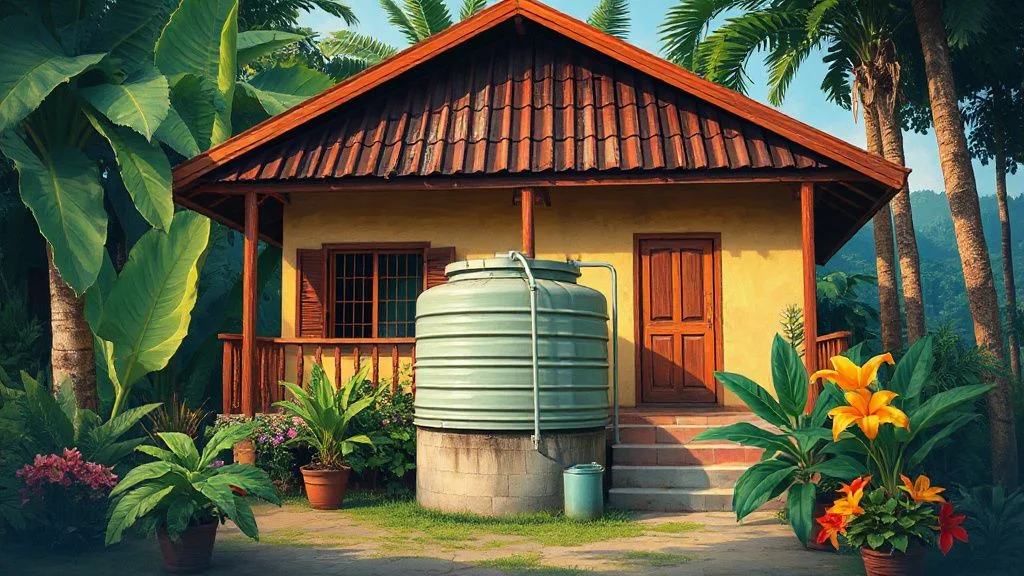
When considering renting a house in Suriname, particularly one equipped with a rainwater tank, understanding the deposit requirements is essential. Unlike some countries where specific amounts are regulated, in Suriname, the deposit terms can vary significantly. This article explores what you should anticipate regarding deposits for leases on houses with rainwater tanks, providing practical tips for navigating this process as a foreigner.
Understanding Lease Deposits in Suriname
In Suriname, a lease deposit is generally a security measure for landlords to safeguard against potential damages or unpaid rent. However, there is no published norm or regulated standard for the amount. It is often negotiated between the landlord and tenant, and the exact deposit amount can vary based on the property's specifics and the landlord's preferences.
As a prospective tenant, it is crucial to clarify the deposit amount and its terms before signing the lease. Since Suriname does not have a statutory maximum for deposits, ensure you document everything in writing to avoid any misunderstandings in the future. The exact deposit amount for a lease on a house with a rainwater tank may not be published, so it's advisable to discuss it directly with the landlord or the rental agent.
What to Expect When Renting a House with a Rainwater Tank
Benefits of Rainwater Tanks
Houses equipped with rainwater tanks have gained popularity in Suriname due to the tropical climate, which brings heavy rainfall. These tanks can significantly reduce water costs and provide a reliable water source for non-potable uses such as irrigation and toilet flushing. When negotiating your lease, consider discussing the benefits of the rainwater tank with the landlord. This can help you understand the value it adds to the property and how it may influence the deposit or even monthly rent. Transparency about these features can also facilitate better discussions regarding the deposit terms.
Legal and Practical Considerations
While rainwater harvesting is generally permitted, it's crucial to verify that the property complies with any local regulations regarding water usage and conservation. Discuss these factors with the landlord to ensure that the system's maintenance is included in the lease agreement. If the landlord is responsible for maintaining the rainwater system, this could influence the deposit amount and terms.
Additionally, confirm the specifics of how the deposit will be handled in the lease agreement. Ensure that the contract specifies the deposit amount, the date it will be returned after the lease ends, and any conditions under which deductions may occur. By doing so, you protect yourself from any future disputes.
Negotiating the Deposit
Key Points to Include in the Lease Agreement
When renting a house with a rainwater tank, it is advisable to include specific details in your lease agreement. Here are key points to address:
- Deposit Amount: Clearly state the exact deposit amount and the currency in which it will be paid.
- Return Conditions: Include the timeline for the return of the deposit after the lease ends, along with the conditions for deductions.
- Maintenance Responsibilities: Outline who is responsible for the upkeep of the rainwater system, which can impact the property's condition and, consequently, the deposit.
- Inspection Records: Conduct a thorough inspection of the property before moving in and document the condition with photographs. This record can serve as evidence regarding the state of the property when discussing the return of the deposit.
Engaging with Landlords and Agents
When engaging with landlords or rental agents, it's essential to communicate openly about your expectations. Ask questions about the property, including the rainwater tank's functionality and maintenance history. This not only helps you gauge the property's suitability but also establishes a good rapport with the landlord, potentially making negotiations smoother.
Be prepared to negotiate the deposit based on the information you gather. If you find that the property has some wear and tear, use this to your advantage in discussions regarding the deposit amount. Remember, having a clear understanding of the rainwater tank's benefits and potential costs will strengthen your position during negotiations.
Practical Tips for Foreign Renters
Understanding Local Norms and Practices
As a foreigner renting in Suriname, familiarize yourself with local rental practices. Understanding the local market can help you set realistic expectations and avoid overpaying.
Consider connecting with other expatriates who have rented properties in Suriname. Their experiences can provide valuable insights into common practices, including deposit norms for houses with rainwater tanks. Additionally, local rental forums or community groups can be excellent resources for information and support.
Finalizing the Lease
Once you have agreed on the deposit terms and completed the lease agreement, ensure to keep a copy for your records. It’s advisable to have any verbal agreements documented in writing as well. This will help prevent misunderstandings and provide clarity for both parties.
Conclusion
Renting a house with a rainwater tank in Suriname can be a rewarding experience, offering both environmental benefits and potential cost savings. However, understanding the deposit requirements is crucial. Always negotiate the terms clearly, document everything in writing, and engage openly with landlords. By following these guidelines, you can secure a favorable rental agreement that meets your needs as a foreign tenant.
Primary Sources
Last updated: November 2026