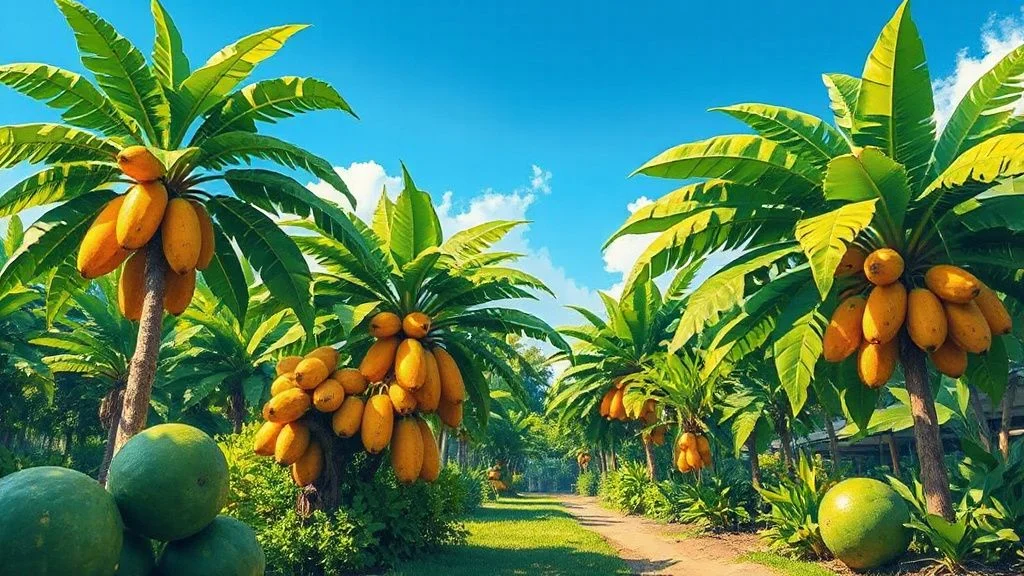
Leasing a plot of land with a fruit garden in Suriname can be an exciting venture, especially for foreigners looking to immerse themselves in the lush, tropical landscape of this South American gem. Not only does it offer a chance to engage in agriculture, but it also provides a unique lifestyle opportunity. However, understanding the financial commitments, particularly the deposit required for such leases, is crucial. This article will guide you through the necessary steps, typical costs associated with leasing a fruit garden, and practical tips tailored for expats.
Understanding Land Lease in Suriname
In Suriname, land lease (*grondhuur*) is a legal arrangement where the State grants the right to use a parcel of land for a specified period, typically ranging from 15 to 40 years. This lease can be for various purposes, including agricultural activities such as maintaining a fruit garden. It's important to note that the State retains ownership of the land, while the lessee can develop and enjoy the land within the guidelines set forth by the government.
When considering leasing a plot for a fruit garden, potential lessees must prepare for several financial obligations, one of which is the deposit. The deposit often acts as a security for the landlord against damages or unpaid rent, and its amount can vary significantly based on several factors, including the size of the plot, location, and the specific terms of the lease agreement.
Typical Deposit Amounts and Lease Terms
While specific deposit amounts for leasing plots with fruit gardens are not explicitly published, it is generally accepted that the deposit amount can vary based on negotiations and the leasing terms agreed upon with the landlord. This is a common practice to secure the lease, but these amounts can differ based on the specific circumstances of each lease agreement.
Lease terms for land in Suriname can be complex. The minimum lease duration is typically 15 years, as mandated by the State, while the maximum can extend to 40 years. This extended lease period often appeals to expats and locals alike, as it allows for significant investment in the development of the land, particularly for agricultural projects like fruit gardens.
Factors Influencing Deposit Requirements
Several factors can influence the amount of deposit required for leasing a fruit garden plot in Suriname:
- Location: Plots in more sought-after areas, such as those near Paramaribo or close to main roads, may require higher deposits due to their desirability.
- Size and Condition of the Plot: A larger plot or one that requires extensive improvements may result in a higher deposit.
- Landlord's Policy: Individual landlords may have their own policies regarding deposits, especially if they have previously experienced issues with tenants.
- Market Trends: Fluctuations in the real estate market can also affect deposit amounts, particularly if there is increased demand for agricultural land.
What to Expect in Lease Agreements
When entering into a lease agreement for a fruit garden plot, it’s essential to understand the terms outlined in the contract. A typical lease agreement in Suriname may include provisions regarding the maintenance of the land, responsibilities for utilities, and guidelines for the types of crops that can be grown. Here are some key elements often included:
- Annual Canon Payment: In addition to the deposit, lessees are responsible for periodic payments to the government, known as canon fees. These fees vary based on the land’s size and location.
- Usage Restrictions: The agreement may specify particular uses for the land, ensuring that the lessee adheres to agricultural practices that align with government regulations.
- Improvement Rights: Lessees often have the right to make improvements to the land, such as planting fruit trees or constructing necessary infrastructure, but these must typically be approved by the State.
- Renewal Terms: Understanding the terms for renewing the lease is crucial, especially as the end of the lease period approaches.
Practical Tips for Securing a Fruit Garden Lease
As a foreigner looking to lease a plot for a fruit garden in Suriname, securing the lease can be straightforward with the right approach. Here are some practical tips to guide you through the process:
Research and Network
Before committing to any lease, take the time to research potential areas where you would like to establish your fruit garden. Networking with local expat communities and farmers can provide insights into the best locations, potential landlords, and the local agricultural market.
Understand the Local Regulations
Familiarize yourself with the local regulations regarding land leases and agricultural practices. This knowledge will not only help you secure a plot but will also ensure that you are compliant with local laws, which is crucial for avoiding legal issues down the line.
Engage a Local Real Estate Agent
Consider hiring a local real estate agent who is familiar with the leasing process in Suriname. They can assist in negotiating lease terms, understanding deposit requirements, and ensuring that all paperwork is properly handled. Their expertise can save you time and help avoid potential pitfalls.
Negotiate Lease Terms Wisely
When negotiating your lease, be clear about your intentions and financial capabilities. Discuss the deposit amount and any other fees upfront to avoid surprises later. If the deposit seems high, don’t hesitate to negotiate. Providing references from previous landlords can strengthen your position.
Inspect the Plot Thoroughly
Before signing any lease, thoroughly inspect the plot. Check for soil quality, existing vegetation, and access to water, as these factors will significantly affect your ability to maintain a successful fruit garden. If possible, seek the opinion of a local agricultural expert to assess the land’s viability.
Living and Farming in Suriname
Leasing a fruit garden plot in Suriname is not just about the financial aspects; it’s also about embracing a lifestyle rich in culture and connection to nature. Suriname's tropical climate is suitable for a variety of fruits, and many expats find joy in growing their own produce.
Common fruits that thrive in Suriname include bananas, mangoes, papayas, and citrus fruits. Not only does cultivating these plants provide a rewarding hobby, but it also fosters a sense of community as you can share your harvest with neighbors and local markets. Engaging in this agricultural lifestyle can help you adapt to the local culture, fostering relationships and enriching your experience in Suriname.
Conclusion
Leasing a plot for a fruit garden in Suriname offers an exciting opportunity for expats to connect with nature and the local community. Understanding the deposit requirements, lease terms, and practical steps to secure your land is essential for a successful venture. By researching, networking, and negotiating wisely, you can ensure a fruitful experience in this beautiful country. As you embark on this journey, remember that patience and persistence are key, and soon enough, you’ll be nurturing your very own tropical oasis.
Primary Sources
Last updated: November 2026