When considering leasing a house in Suriname, particularly one equipped with its own water pump, understanding the deposit requirements is crucial. This article will provide an in-depth look at what to expect in terms of deposit amounts, the responsibilities associated with the water pump, and practical tips for expats navigating the rental landscape.
Understanding the Deposit Structure
In Suriname, it is common for rental agreements to require a security deposit, which serves as a guarantee for the landlord against potential damages or unpaid rent. The deposit may be equivalent to one or two months' rent, but the exact amount can vary based on factors such as the property's location, condition, and amenities, including the presence of a water pump.
For example, if you are renting a house in Paramaribo—Suriname's capital and largest city—where rental prices can vary significantly, the deposit may be influenced by the average monthly rent in that area. It’s advisable to verify the exact deposit amount directly with the landlord or property manager before signing the lease. This step ensures clarity and helps avoid any misunderstandings later.
Importance of the Water Pump in Rental Agreements
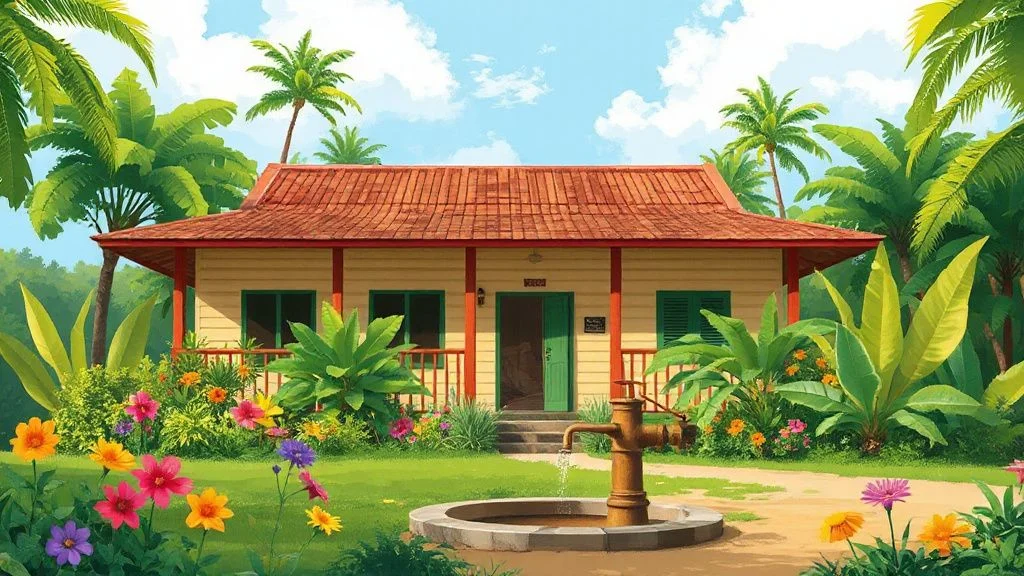
A house with its own water pump offers several benefits, especially in a tropical country like Suriname, where access to clean water is essential. However, the inclusion of a water pump in the rental agreement introduces additional responsibilities and considerations for both tenants and landlords.
First, the lease should clearly outline who is responsible for the maintenance and repair of the water pump. If the landlord is responsible for maintaining the pump, they should ensure it is in good working order throughout the lease. On the other hand, if the tenant is to assume this responsibility, it is critical to document any issues with the pump and communicate them promptly to the landlord. This documentation can protect the tenant from being held liable for damages that occur due to lack of maintenance.
Potential Costs Associated with the Water Pump
When a deposit is collected, landlords may claim part of it if the water pump is found to be damaged or not maintained properly at the end of the lease. Therefore, tenants should ensure that they are well-informed about the water pump's condition upon moving in. It is advisable to conduct a thorough inspection with the landlord present and take photographs or videos of the pump and any other essential systems in the house.
In some cases, landlords may include an additional clause in the lease that specifies a maintenance fee for the water pump. This fee could cover regular inspections and repairs. Make sure to clarify whether this fee is included in the rent or if it will be billed separately. Understanding these financial aspects before signing the lease can help prevent surprises later on.
Legal Framework Governing Deposits in Suriname
The legal framework surrounding rental agreements and deposits in Suriname is primarily governed by the Civil Code and the Tenancy Protection Act. These laws outline the obligations of landlords and tenants, including how deposits should be handled.
According to the law, landlords must return the security deposit to the tenant within a reasonable period after the lease ends. However, they may deduct from the deposit for necessary repairs or damages beyond normal wear and tear. It’s essential for both parties to document the condition of the property thoroughly before vacating to avoid disputes over what constitutes normal wear and tear.
Understanding Your Rights as a Tenant
As a tenant, you have the right to a clear and written agreement regarding the terms of your deposit. This agreement should specify the amount of the deposit, the conditions under which deductions may be made, and the timeline for returning the deposit after the lease concludes. If these details are not included, it may lead to conflicts when the time comes to retrieve your deposit.
Steps to Secure Your Lease and Deposit
Securing a lease on a house with its own water pump in Suriname involves several practical steps. Each step is crucial in ensuring that both parties are protected and that the leasing experience is smooth.
1. Conducting a Thorough Property Inspection
Before signing a lease, it is advisable to conduct a thorough inspection of the property. During this inspection, pay particular attention to the water pump's condition. Ensure that it is functioning properly and ask the landlord about its maintenance history. Document any existing issues, as this can prevent disputes over the deposit later.
2. Clarifying Deposit Terms in the Lease
When discussing the lease terms with the landlord, make sure to clarify the deposit amount and conditions. This should include how the deposit will be used, what constitutes damages, and how long it will take to return the deposit after the lease ends. Having these terms clearly outlined in the written lease agreement will provide peace of mind for both parties.
3. Keeping Open Communication
Establishing good communication with your landlord can significantly impact your rental experience. If any issues arise with the property or the water pump, address them promptly and professionally. Document all communications via email or written notes to maintain a clear record.
Practical Tips for Expats Renting in Suriname
Renting in a foreign country can present unique challenges, but with the right approach, you can navigate the process smoothly. Here are some practical tips specifically tailored for expats renting a house with its own water pump in Suriname:
- Engage a Local Real Estate Agent: Utilizing a real estate agent who understands the local market can help you find properties that fit your needs. They can also assist in negotiating lease terms, including the deposit amount.
- Familiarize Yourself with Local Customs: Understanding Surinamese culture can facilitate smoother interactions with landlords. For example, building a rapport with your landlord can enhance communication and cooperation.
- Ask About Maintenance Protocols: Inquire about how maintenance requests are handled, especially concerning the water pump. Knowing the expected response times can help you gauge the landlord's commitment to property management.
- Document Everything: Keep thorough records of your communications, property inspections, and any maintenance issues. This documentation will be invaluable if disputes arise over the deposit or property condition at the end of your lease.
Conclusion
Understanding the deposit requirements for leasing a house with its own water pump in Suriname is essential for a smooth rental experience. By being informed about the typical deposit amounts, the responsibilities associated with the water pump, and the legal framework governing rentals, expats can navigate the leasing process with confidence. Additionally, maintaining open communication and thorough documentation will help protect your interests and ensure a successful rental experience in this vibrant country.
Primary Sources
Last updated: November 2026