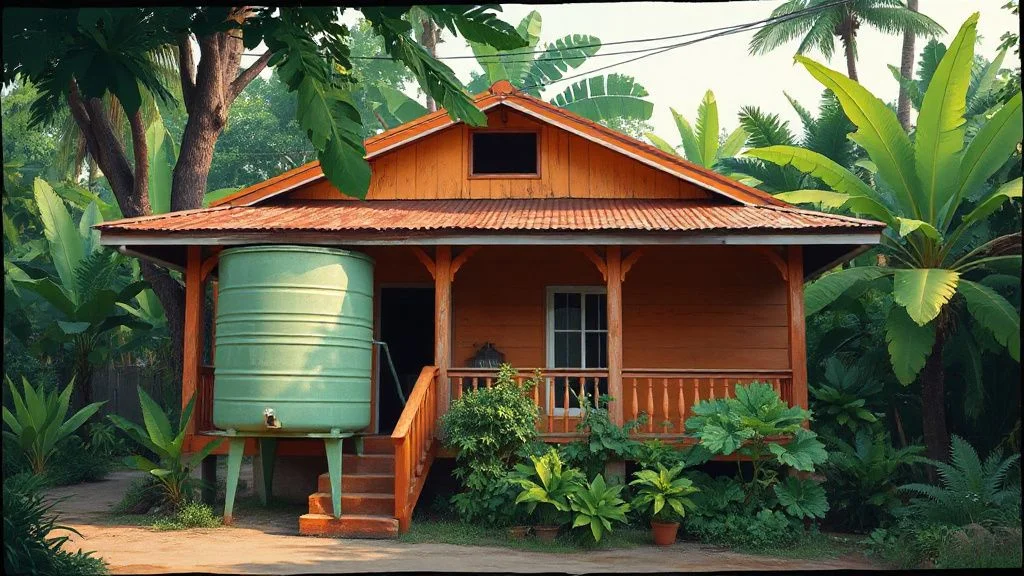
Ending a lease on a house, especially one equipped with its own water pump, involves several important considerations, particularly in a unique market like Suriname. This article will guide you through the legal framework, practical steps, and tips for expats to navigate the lease termination process smoothly.
Understanding Lease Agreements in Suriname
In Suriname, lease agreements are governed by the Civil Code and other relevant legislation, which outlines the rights and obligations of both lessors (landlords) and lessees (renters). A lease agreement typically specifies the duration of the lease, the rental amount, and the responsibilities of both parties. When leasing a house with its own water pump, there may be additional considerations related to maintenance and usage of the water system.
According to the Suriname Civil Code, a lease agreement can be terminated under specific conditions, including non-payment of rent, misuse of property, or the lessor needing the property for personal use. Understanding these conditions is crucial for both parties to ensure a smooth transition at the end of the lease.
Legal Grounds for Termination of Lease
The law allows the lessor to terminate a lease under certain circumstances. For example, if the lessee has not paid rent, the lessor can initiate eviction proceedings through the court system. This process can be lengthy, so it’s advisable for landlords to communicate any issues with the tenant early on to avoid escalation.
Another valid reason for terminating a lease is if the lessor requires the property for personal use. This typically involves providing the lessee with a written notice. It is essential for both landlords and tenants to document all communications regarding lease termination to avoid disputes.
Understanding the Water Pump's Role
When dealing with a house that has its own water pump, there are additional considerations to keep in mind. The lease should specify who is responsible for the maintenance and repairs of the water pump. If the landlord is responsible, they must ensure the pump is in working order throughout the lease period. If the tenant is responsible, they should document any issues that arise and communicate them to the landlord promptly.
At the end of the lease, if the water pump has not been properly maintained or is damaged beyond normal wear and tear, the landlord may have grounds to withhold part of the deposit to cover repair costs. Therefore, tenants should ensure that the pump is functioning properly before vacating the premises.
Steps for Terminating a Lease
Notification Process
To officially terminate a lease, a written notice must be provided by either party. This notice should include specific details such as the reason for termination, the date of termination, and any relevant references to the lease agreement. For example, if a tenant plans to vacate the property, they should notify the landlord in writing prior to their intended move-out date. This notice period allows the landlord time to find a new tenant and ensures that the tenant is not held liable for rent beyond their move-out date.
It is advisable for tenants to send this notification via a method that provides proof of delivery, such as registered mail or email with a read receipt. This documentation can serve as evidence in case of disputes over the lease termination.
Final Inspection and Deposit Return
Before leaving, tenants should request a final inspection of the property. This inspection allows both the landlord and tenant to assess the condition of the house, including the water pump and any other systems. It is beneficial for tenants to document the property’s condition with photos or videos during this inspection.
Once the final inspection is complete, the landlord is expected to return the security deposit, minus any deductions for repairs or damages. In Suriname, the specifics of deposit returns can vary, so tenants should refer to their lease agreement for details on how and when the deposit will be returned.
Practical Considerations for Expats
Cultural Nuances
Expats in Suriname may encounter cultural differences when it comes to lease agreements and property management. It’s important to understand that communication styles might differ from what you're used to. For instance, while direct communication is valued in some cultures, Surinamese communication may be more indirect. Building a rapport with your landlord can facilitate smoother discussions about lease termination and property conditions.
Additionally, understanding local customs and norms can help in negotiations. For example, if you notice a problem with the water pump, it is best to approach the landlord respectfully and express your concern rather than demanding immediate action. This approach can foster a more cooperative relationship.
Practical Tips for Securing Housing as a Foreigner
- Research local laws: Before signing any lease, familiarize yourself with Suriname's rental laws and your rights as a tenant. Resources such as the Suriname Civil Code can provide valuable insights.
- Document everything: Keep copies of all correspondence regarding the lease, including notices, agreements, and inspection reports. This documentation can protect you in case of disputes.
- Engage with real estate agents: If you're unfamiliar with the local market, consider working with a real estate agent who understands the nuances of renting in Suriname. They can help navigate the process and negotiate terms on your behalf.
- Network with other expats: Join local expat groups to gain insights and experiences from others who have rented homes in Suriname. They can share tips on reliable landlords and common challenges.
Conclusion
Ending a lease on a house with its own water pump in Suriname involves understanding legal rights, effectively communicating with your landlord, and addressing specific property maintenance issues. By following the proper procedures, documenting all interactions, and navigating cultural nuances, expats can ensure a smooth transition at the end of their lease. Remember, being proactive and informed can significantly ease the process of ending your lease and moving forward to your next adventure in Suriname.
Primary Sources
Last updated: November 2026