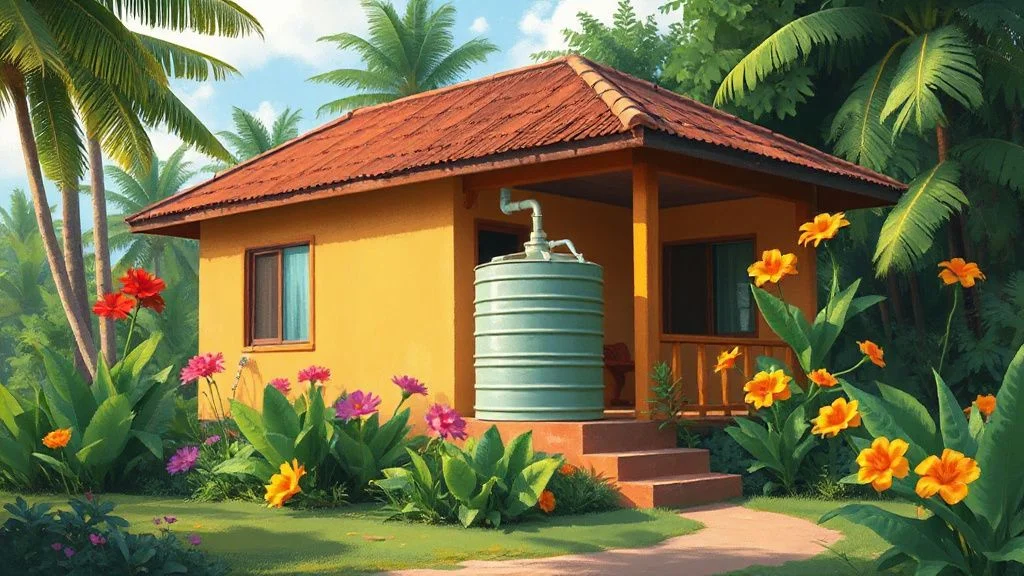
As the demand for sustainable living increases, many houses in Suriname are equipped with rainwater tanks, offering a practical solution to the region's tropical climate. This article explores the costs associated with leasing such properties, the benefits of rainwater tanks, and what expats should know before making a commitment.
The Importance of Rainwater Tanks in Suriname
Suriname's tropical climate, characterized by abundant rainfall, makes rainwater harvesting an attractive option for homeowners. Rainwater tanks collect and store rainwater, which can be used for irrigation, flushing toilets, and even drinking, depending on the filtration system in place. For expats looking for sustainable living options, houses with these systems can provide significant savings on water bills while promoting eco-friendly practices.
Houses equipped with rainwater tanks not only help reduce water costs but also serve as a vital resource during dry spells. This feature can be particularly appealing to foreign renters who may be unfamiliar with the local water supply situation. Understanding the advantages of having a rainwater tank can help expats make informed decisions about their housing options.
Typical Lease Costs for Houses with Rainwater Tanks
Determining the lease cost of a house with a rainwater tank in Suriname involves various factors, including location, size, and amenities. While specific lease amounts can vary, it’s essential to note that properties with rainwater systems may command slightly higher rents due to their added value and sustainability features. According to Numbeo, the average lease price for a one-bedroom apartment in the city center is around SRD 18,234.67.
Determining the lease cost of a house with a rainwater tank in Suriname involves various factors, including location, size, and amenities. While specific lease amounts can vary, it’s essential to note that properties with rainwater systems may command slightly higher rents due to their added value and sustainability features.
Factors Influencing Lease Prices
Location
Location plays a crucial role in determining lease prices. Properties in urban centers typically have higher rental costs due to their proximity to amenities, schools, and workplaces. In contrast, rural areas may offer lower prices, but the availability of modern properties with rainwater tanks may be limited.
House Size and Condition
The size of the house and its condition are essential factors as well. Larger homes with advanced rainwater systems will generally cost more to lease. Additionally, well-maintained properties that are visually appealing and equipped with modern facilities tend to attract higher rents. It's advisable for expats to inspect potential homes to evaluate their condition and features before committing.
Understanding Lease Terms
Lease terms can vary significantly in Suriname. Landlords may offer rental agreements for different durations, including options for short-term leases, particularly for expats who are in the country temporarily. It's crucial to clarify the terms regarding utilities, maintenance, and the use of the rainwater tank, as these can impact overall living costs.
It's essential to confirm the specifics of the lease agreement, including any arrangements regarding water usage from the rainwater tank, to avoid unexpected expenses. Understanding the lease terms will help ensure a smooth renting experience.
Practical Tips for Securing a Lease
As a foreigner looking to lease a house with a rainwater tank in Suriname, there are several practical tips to keep in mind:
- Research Neighborhoods: Explore various neighborhoods to find one that suits your lifestyle, budget, and proximity to work or school. Popular areas among expats may offer amenities and a vibrant community.
- Engage Local Agents: Utilize local real estate agents who understand the market dynamics and can guide you through the leasing process, including negotiating lease terms and ensuring all necessary documentation is in order.
- Inspect Properties: Always inspect properties before signing a lease. Check the rainwater tank's condition, plumbing, and filtration systems to ensure they are in good working order.
- Understand Utility Costs: Inquire about utility costs and what is included in the lease. Ensure you understand how the rainwater tank is utilized and maintained.
- Be Prepared for Documentation: Have all necessary documentation ready, including identification, proof of income, and references, to streamline the leasing process.
What Expats Should Know
Living in Suriname offers a unique experience, especially for expatriates. Understanding the local culture, language, and customs can significantly enhance your stay. Most landlords in Suriname are approachable, and many will communicate in English, but learning some basic Dutch or Sranan Tongo phrases can be beneficial.
Additionally, consider the community dynamics when choosing a neighborhood. Areas with a strong expat presence may offer more social opportunities and support networks, making the transition smoother for newcomers. Embracing local customs, such as participating in community events or markets, can also enrich your experience in Suriname.
In conclusion, leasing a house with a rainwater tank in Suriname can be an excellent decision for environmentally conscious expats. While costs can vary, understanding the factors that influence pricing, the importance of lease terms, and practical tips for securing housing will help make the process smoother. By doing thorough research and engaging with local resources, you can find a suitable home that meets your needs and contributes to a sustainable lifestyle.