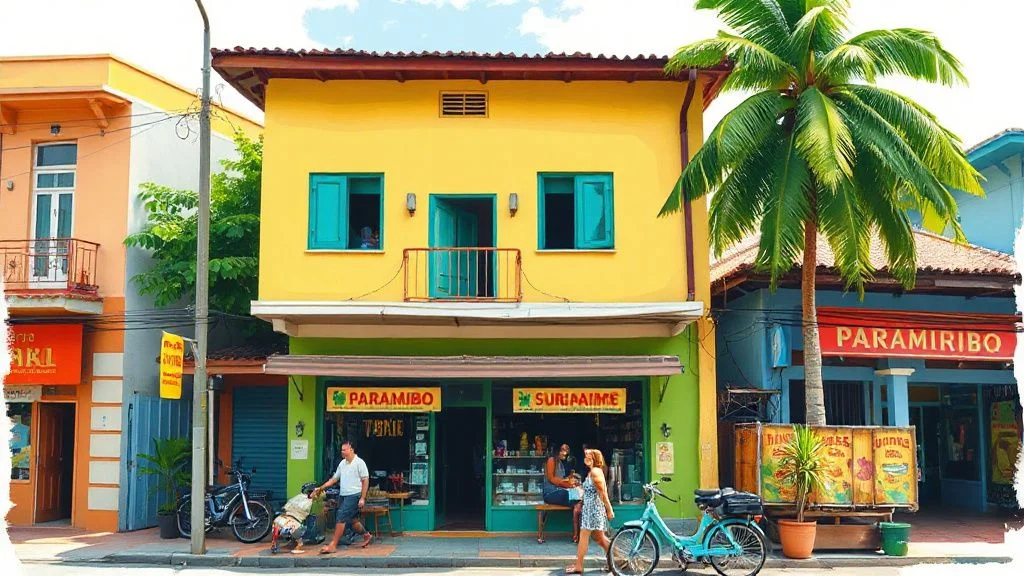
Securing a furnished apartment for a month or longer in Suriname can be an exciting venture, especially for expats and digital nomads. However, understanding the deposit requirements is crucial to ensure a smooth rental experience. This article provides a detailed overview of what to expect regarding deposits for furnished apartments let by the month in Suriname.
Understanding the Deposit Structure
When renting a furnished apartment in Suriname, landlords typically require a security deposit. This deposit serves as a safeguard against potential damages or unpaid rent. The amount of the deposit can vary significantly based on several factors, including the location of the apartment, its condition, and the length of the lease. While specific amounts are not universally published, it is common to see deposits ranging from one to three months' rent. It’s advisable to verify with the property owner or rental agency for the exact figure.
Most landlords will outline their deposit requirements in the rental agreement. This contract should clearly specify the amount, the conditions under which the deposit may be withheld, and the timeline for returning the deposit after the lease ends. Always read the fine print to understand your obligations and rights fully.
Typical Examples of Deposit Amounts
Start from the fact that decides the rest: the statute governing residential letting in Suriname says nothing at all about deposits. The Huurwet Woonruimte 2020, the Act of 26 February 2020 published as S.B. 2020 no. 53, regulates how a letting ends, what notice must be given, how rent is fixed and changed, who counts as a co-tenant and what happens when a tenant dies. It sets no maximum deposit, prescribes no multiple of the monthly rent, and lays down no procedure for getting a deposit back. A deposit here is purely a matter of contract, and that has two practical consequences. Any amount presented to you as the standard or the legal figure is someone's habit rather than a rule, so treat it as an opening position and ask what it is based on. And because the Act offers no protection, the only protection is the one you write down: fix the amount, the currency, the date paid, what the deposit may be applied to, the condition in which the property must be handed back, and the period within which it must be repaid, then have both parties sign. The Huurcommissie that the Act sets up in Paramaribo advises on whether a rent is reasonable, not on deposits, so a dispute over a deposit is a matter for the kantonrechter.
Two provisions do bear on the money, and both are worth raising while you are still negotiating. Article 13 requires the rent for living space to be fixed in Surinamese dollars, and permits a foreign currency only where the tenant is not a resident or is a resident with a demonstrable fixed income in that currency. If a landlord asks for a deposit in euros while the rent itself must lawfully be set in Surinamese dollars, ask on what footing that is. Article 15 limits increases: rent may not be raised within a year of being agreed, a proposal must reach the tenant in writing at least three months before the date it is to take effect, and where the premises and living conditions are unchanged the rent may be adjusted only by the annual inflation percentage established and published by the Algemeen Bureau voor de Statistiek. A deposit expressed in months of rent therefore cannot quietly grow either, because the rent it is measured against cannot.
As a foreigner, you may also encounter landlords who prefer to charge a higher deposit to mitigate perceived risks. This is particularly true if the rental market is competitive or if the property is in a desirable neighborhood. Ensure you discuss the deposit terms clearly before signing any agreement.
Additional Costs to Consider
Alongside the deposit, it’s essential to consider other potential costs associated with renting a furnished apartment. These may include utility fees, maintenance charges, and sometimes even service fees, depending on the property type. For furnished apartments, utilities might include water, electricity, and internet. Since Suriname operates on a 127V/60Hz electricity system, ensure your devices are compatible or invest in a transformer.
Landlords may also require a non-refundable application fee to process your rental application. This fee can range widely, so confirm the amount with the landlord. Understanding all associated costs will help you budget effectively and avoid surprises during your stay.
Negotiating the Deposit
Negotiation is a common practice in Suriname’s rental market. If you feel the deposit amount is too high, consider discussing this with the landlord. Presenting yourself as a reliable tenant can work in your favor. Providing references from previous landlords or proof of stable income can help in convincing the landlord to lower the deposit.
Additionally, if you plan to stay for an extended period, some landlords may be flexible with deposit terms, especially if they see you as a long-term tenant. It’s always worth asking if they would consider a reduced deposit in exchange for a longer lease commitment.
Practical Tips for Securing Your Rental
As you navigate the rental process, here are some practical tips to help you secure your accommodation effectively:
- Research the Market: Familiarize yourself with the rental market in Suriname. Websites and local listings can provide valuable insights into average rental prices and typical deposit amounts.
- Document Everything: When you pay your deposit, ensure you receive a receipt or written acknowledgment from the landlord. This protects you in case of disputes later.
- Inspect the Property: Before finalizing your rental, conduct a thorough inspection of the apartment. Document any pre-existing damage with photos and share these with the landlord to avoid disputes when you move out.
- Stay Connected: Engage with local expat groups or online forums. These communities often share experiences and advice that can help you navigate the rental process more smoothly.
What Expats Should Know
As a foreigner renting in Suriname, it's essential to understand cultural nuances that may affect your rental experience. Many landlords may prefer dealing with tenants who can communicate effectively in Dutch or Sranan Tongo. If you're not fluent, consider bringing along a local friend or translator to facilitate discussions.
Additionally, be mindful of local customs and practices regarding housing. In some neighborhoods, it’s customary for landlords to meet potential tenants in person before finalizing a rental agreement. This meeting can give both parties a chance to assess compatibility and build trust.
Conclusion
Understanding the deposit requirements for furnished apartments in Suriname is a key step in your rental journey. While deposit amounts can vary, being aware of typical practices and preparing to negotiate can lead to a successful outcome. By following the practical tips outlined in this article, you can secure your accommodation with confidence and enjoy your stay in this vibrant tropical country.