Understanding how water and energy bills are calculated is essential for families living in Suriname, especially for expatriates and newcomers. This article will delve into the various components that contribute to these utility bills, providing insights into typical costs, factors influencing rates, and practical tips for managing expenses effectively.
Components of Water Bills
Water bills in Suriname are typically calculated based on the volume of water consumed, measured in cubic meters (m³). The water supply is managed by the Suriname Water Company (SWM), which sets the rates for residential customers. The calculation of the water bill involves several key components:
1. Base Rate and Consumption Charges
A water bill is built from two parts: a fixed base charge covering the upkeep of the supply network, and a consumption charge that follows the metered volume. That structure is the useful thing to know, because it explains why a bill never drops to zero in a month away from home. The amounts themselves are not reproduced here: no reliable published figure for either part of the SWM tariff could be traced, and the amounts that circulate carry dates two and three years old. Ask SWM for the current base charge and the current rate per cubic metre, and ask whether the consumption rate is banded.
2. Additional Fees and Taxes
A water bill can carry further charges on top of those two parts, such as a sanitation charge for waste services. These do not vary by municipality, because Suriname has districts and ressorten and no municipalities, and there is no local water authority to consult: the supply is run nationally by the Surinaamsche Waterleiding Maatschappij (SWM). Ask SWM which charges apply at your address and have them itemised on the bill, so that you can tell a sanitation charge from the water itself.
Components of Energy Bills
Energy bills in Suriname are calculated based on electricity consumption, which is measured in kilowatt-hours (kWh). The electricity supply is primarily managed by the Electricity Company of Suriname (EBS). Similar to water bills, energy bills consist of several components:
1. Energy Consumption Charges
An energy bill follows the kilowatt-hours recorded by the meter, and the rate is not flat. How that rate is built is set out in article 17 of the Electriciteitswet 2016 (S.B. 2016 no. 42): the tariff lets the electricity company recover its efficient costs of purchase, transmission, distribution and supply, increased by an allowed margin, and its structure takes account of cost differences per type of customer. The cost allocation, the tariff structure and the calculation methodology are laid down in the ESP, which the Energie Autoriteit Suriname supervises and on which it may give binding instructions. Article 18 adds that a connection tariff may not exceed the efficient costs of physically connecting the installation to the national grid, and that the EAS sets it using the methodology prescribed in the ESP. The official publication of the Act is a scan, so this text was read by optical character recognition; the substance of those articles is reported here and no figure is taken from them.
The electricity tariff can be stated exactly, because it comes from a measured register rather than from a quoted average. The published tariff of N.V. Energiebedrijven Suriname (EBS), recorded with a measurement date of 1 December 2024, is a fixed charge of SRD 211.78 per month plus a banded rate per kilowatt-hour: SRD 1.9710 in the first band, SRD 2.8500 in the second and SRD 3.3300 in the third. A measurement date is not a day price, so confirm the current bands with EBS before budgeting on them. Note also that the fixed monthly charge is substantial: figures of fifty to a hundred SRD that circulate for it understate it several times over.
Water is run nationally by the Surinaamsche Waterleiding Maatschappij (SWM), not by regional water companies and not by a municipality, because Suriname has districts and ressorten rather than municipalities. No reliable published figure for the water tariff could be traced, so none is given here. Ask SWM for the current rate per cubic metre, whether a standing charge applies on top of it, and whether any sanitation charge is added.
2. Fixed Charges
Alongside the consumption charge an energy bill carries a fixed monthly charge for the upkeep of the grid, and this is the item most often understated. In the measured EBS tariff that fixed charge is SRD 211.78 per month at a measurement date of 1 December 2024, where the figures in circulation put it between fifty and a hundred SRD per month. Budgeting on the lower figure sets you up for a bill several times the fixed element you expected, so confirm the current fixed charge with EBS and treat it as a floor your bill cannot go below.
Factors Influencing Water and Energy Costs
Several factors can influence the overall cost of water and energy bills in Suriname:
1. Household Size and Consumption Habits
The size of the household and the consumption habits of its members play a significant role in determining utility costs. Larger families typically consume more water and electricity, leading to higher bills. Additionally, habits such as leaving lights on, excessive use of air conditioning, and long showers can significantly increase consumption. It is advisable for families to adopt energy-efficient practices, such as using LED bulbs and setting air conditioning units to moderate temperatures, to help reduce costs.
2. Seasonal Variations
Suriname's tropical climate means that water and energy consumption can vary seasonally. During the rainy season, water usage may decrease due to natural rainfall, while electricity consumption may increase due to the use of air conditioning. Conversely, during the dry season, water usage may spike as families rely more on their water supply for irrigation and other needs. Understanding these seasonal patterns can help families budget more effectively for their utility costs.
Practical Tips for Managing Utility Costs
Managing water and energy bills effectively requires a proactive approach. Here are some practical tips for families living in Suriname:
1. Monitor Consumption Regularly
Regularly monitoring water and energy consumption can help families identify trends and make adjustments as needed. Many utility companies provide online portals or mobile apps that allow customers to track their usage in real-time. By keeping an eye on consumption, families can identify periods of high usage and take steps to reduce it.
2. Invest in Energy-Efficient Appliances
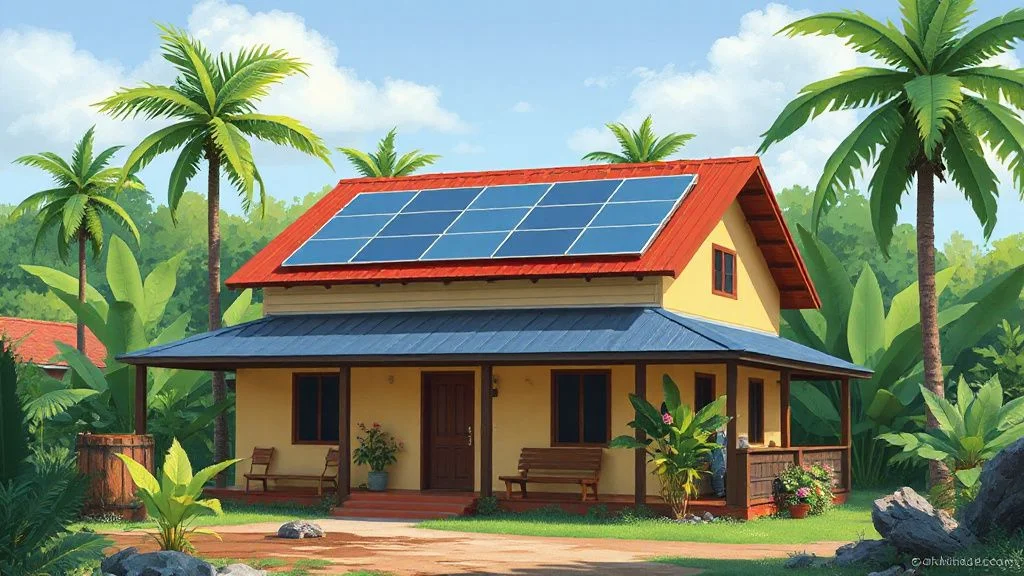
Investing in energy-efficient appliances can lead to significant savings on energy bills over time. Look for appliances with high energy efficiency ratings, as they consume less electricity while providing the same level of service. Common energy-efficient appliances include refrigerators, washing machines, and air conditioning units. Additionally, consider using solar water heaters, which can significantly reduce energy costs associated with heating water.
3. Implement Water-Saving Practices
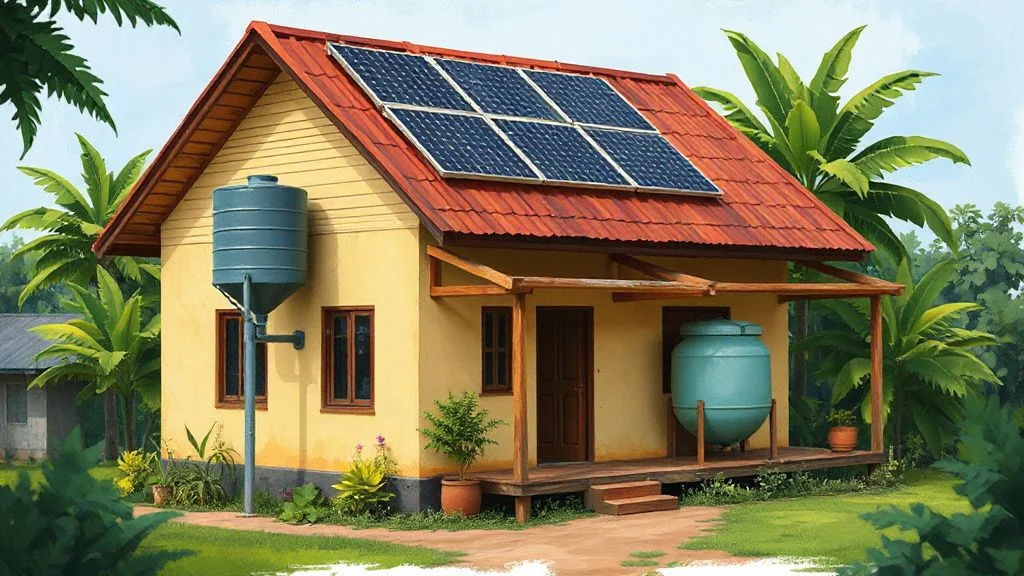
Water conservation is essential, especially in a tropical climate where water resources can be strained. Simple practices such as fixing leaks, using water-efficient fixtures, and collecting rainwater for irrigation can help reduce water consumption. Families can also encourage shorter showers and limit the use of hoses for cleaning driveways or watering gardens.
What Expats Should Know
For expatriates moving to Suriname, understanding the local utility landscape is crucial for effective budgeting and planning. Here are some key considerations:
1. Currency and Payment Methods
Utility bills in Suriname are typically paid in Surinamese Dollars (SRD). It is important to be aware that not all businesses accept card payments, so having cash on hand for bill payments is advisable. Additionally, be mindful of currency exchange rates, as fluctuations can affect overall budgeting. As of the latest exchange rate, 1 USD = 37.2985 SRD (as of 2026-11-23, source: open.er-api.com).
2. Understanding Local Regulations
Local regulations regarding utility services may differ from those in other countries. It is advisable for expats to familiarize themselves with the specific policies of the Suriname Water Company and the Electricity Company of Suriname. This includes understanding billing cycles, payment deadlines, and any penalties for late payments. Engaging with local residents can also provide valuable insights into managing utility costs effectively.
Conclusion
Understanding how water and energy bills are calculated in Suriname is essential for effective household budgeting. By being aware of the components that contribute to these bills, families can take proactive steps to manage their consumption and reduce costs. Implementing energy-efficient practices, monitoring usage, and understanding local regulations can significantly impact overall utility expenses. With the right approach, families can enjoy comfortable living while keeping their utility costs manageable.