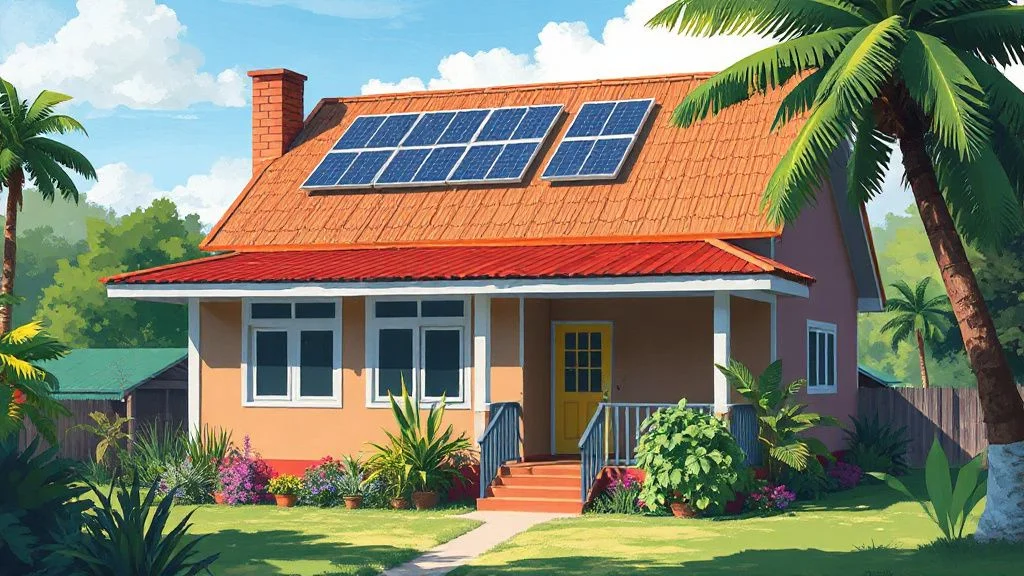
Understanding the components of water and energy bills is crucial for families living in Suriname, especially for expatriates unfamiliar with the local utility systems. This article delves into what influences these bills, typical costs, and practical advice for managing expenses effectively.
Factors Influencing Water Bills
Water bills in Suriname are determined by several factors, including consumption levels, the type of water supply, and local tariffs. The primary source of water in urban areas like Paramaribo is the Suriname Water Company (SWM), which provides treated water to households.
Consumption Levels
Water consumption is measured in cubic metres (m3), and how much a household uses depends on its size and habits: a garden or regularly washed vehicles push it up noticeably. The advice to check the tariff with the SWM is right, and this article follows it rather than naming a rate: the per-m3 figure that circulates for Suriname has no traceable source, and the same number has been credited to the IMF and to the IDB, neither of which publishes a Surinamese household water tariff. Ask SWM for the current rate per m3, whether it is banded by consumption, and whether a standing charge applies on top.
Type of Water Supply
In the districts a household may rely on a well or on rainwater collection instead of the piped supply. There is no municipal water in Suriname to be independent of, since the piped network is run by the SWM and the country has districts and ressorten rather than municipalities; what you reduce is reliance on that national utility. The alternatives carry their own costs: maintenance, filtration, the electricity to run a pump, and water quality testing. A household on well water may have no monthly water bill at all while paying more for electricity.
Understanding Energy Bills
Energy bills in Suriname are influenced by several factors, including electricity consumption, the type of energy source, and the pricing structure of the local utility company, Electricity Company Suriname (EBS).
Electricity Consumption
Electricity is measured in kilowatt-hours (kWh), and consumption depends on the number of appliances, the size of the home and above all on air conditioning, which in this climate is usually the largest single item on a bill.
The electricity figure can be given exactly, because it comes from a measured register rather than from an estimate. The published tariff of N.V. Energiebedrijven Suriname (EBS), recorded with a measurement date of 1 December 2024, is a fixed charge of SRD 211.78 per month plus a banded rate per kilowatt-hour: SRD 1.9710 in the first band, SRD 2.8500 in the second and SRD 3.3300 in the third. The banding is the part that summaries usually drop, and it is exactly why a single average rate per kWh cannot describe a household bill: the same consumption costs a different amount depending on which band it falls into. Treat a tariff with a December 2024 measurement date as a starting point rather than as today's price, and confirm the current bands with EBS before you budget on them.
On the legal side, the sector runs under the Electriciteitswet 2016 (S.B. 2016 no. 42), and the Energie Autoriteit Suriname (EAS) is the regulator that supervises it and sets the cost price of electricity. The published text of that Act is a scan without a text layer, so this article names the Act and the regulator and deliberately quotes no article number from it.
Energy Source and Pricing Structure
Suriname primarily relies on hydropower for its electricity generation, which can help keep costs lower compared to countries that depend heavily on fossil fuels. However, fluctuations in water levels and maintenance of hydroelectric facilities can impact energy prices. Additionally, EBS has different pricing tiers based on consumption levels, meaning that higher usage can lead to higher per-kWh rates. It's beneficial for families to understand these tiers and adjust their energy consumption accordingly.
Hidden Costs and Additional Fees
When budgeting for water and energy bills, families should also consider hidden costs that can affect their overall expenses.
Connection Fees and Deposits
Moving into a home usually means connection fees for water and electricity, and those differ by location and provider. A deposit may also be required; whether it comes back to you at the end of the service, and under what conditions, is set by the provider's own terms rather than by a published rule, so ask for those terms in writing before you pay. No amount is given here for either the connection fee or the deposit, because neither is published as a tariff; ask EBS and SWM for the current figures at the point you apply.
Currency Exchange and Payment Methods
Given the economic situation in Suriname, where the Surinamese Dollar (SRD) has experienced significant devaluation, families should be aware of currency exchange rates if they are transferring money from abroad for utility payments. Not all businesses accept card payments, so having cash on hand for utility bills is essential. Families should verify the payment methods accepted by EBS and SWM to ensure a smooth transaction.
Practical Tips for Managing Utility Bills
Managing water and energy bills effectively requires proactive measures. Here are some practical tips for families living in Suriname:
Monitor Consumption Regularly
Families should track their water and electricity usage regularly. Most utility companies provide monthly statements that detail consumption. By reviewing these statements, families can identify trends and adjust their habits accordingly. For example, if electricity usage spikes during certain months, it may indicate the need for more energy-efficient appliances or changes in usage patterns.
Invest in Energy-Efficient Appliances
Using energy-efficient appliances can significantly reduce electricity consumption. Look for appliances with high energy efficiency ratings, which can lead to long-term savings on energy bills. Additionally, consider using LED lighting, which consumes less power than traditional bulbs.
Implement Water-Saving Practices
To reduce water bills, families can adopt water-saving practices. Simple measures like fixing leaks, using low-flow showerheads, and collecting rainwater for gardening can make a difference. Additionally, being mindful of water usage during daily activities, such as shorter showers and turning off the tap while brushing teeth, can help lower consumption.
What Expats Should Know
For expatriates moving to Suriname, understanding the local utility landscape is crucial for effective budgeting and planning.
Understanding Local Tariffs and Regulations
Expatriates should familiarize themselves with the local tariffs set by EBS and SWM. These tariffs can change based on government policies and economic conditions. It's advisable to contact the utility companies directly or consult with local residents to get the most accurate and up-to-date information.
Building Relationships with Utility Providers
Establishing a good relationship with utility providers can be beneficial. In some cases, utility companies may offer flexible payment plans or assistance programs for families facing financial difficulties. Being proactive in communication can help expatriates navigate any issues that may arise with their utility services.
Conclusion
Understanding the factors that influence water and energy bills in Suriname is essential for families, especially expatriates. By monitoring consumption, being aware of hidden costs, and adopting energy-efficient practices, families can manage their utility expenses effectively. Additionally, staying informed about local tariffs and building relationships with utility providers can further enhance the experience of living in Suriname. With these insights, families can enjoy a comfortable living environment while keeping utility costs manageable.