For many expatriates considering a move to Suriname, the idea of renting a property with the option to buy later can be an attractive proposition. This arrangement allows potential buyers to test the waters of living in a neighborhood before committing to a purchase. However, navigating the legal landscape as a foreigner can be complex. In this article, we will explore whether foreigners can sign a tenancy with an option to buy in Suriname, the legal implications, and practical tips for securing housing.
Understanding Tenancy with an Option to Buy
A tenancy with an option to buy, often referred to as a lease option, is an agreement that allows a tenant to rent a property for a specified period while retaining the right to purchase the property at a later date. This arrangement can be beneficial for both landlords and tenants. For landlords, it can provide a steady rental income while keeping the property off the market. For tenants, it offers the flexibility to live in the property and assess its suitability before making a significant financial commitment.
In Suriname, this type of agreement is not uncommon, but it is essential to understand the legal framework surrounding such arrangements. Foreigners can indeed enter into lease agreements, but the specifics of including an option to buy can vary based on the property owner’s preferences and local regulations. It is advisable to consult with a local real estate attorney to ensure that all legal aspects are properly addressed.
Legal Considerations for Foreigners
Foreigners in Suriname can generally sign tenancy agreements, but there are several legal considerations to keep in mind. The Surinamese legal system allows for foreign ownership of property, but there are restrictions and requirements that vary depending on the type of property and its location. For instance, foreigners may face limitations on purchasing land in certain areas, particularly agricultural land.
When entering into a tenancy with an option to buy, it is crucial to have a clear and detailed contract. This contract should outline the terms of the lease, the purchase price, and the duration of the option period. Additionally, it should specify how the purchase price will be determined at the time of purchase. Some agreements may include a fixed price, while others may allow for market adjustments. Engaging a local attorney familiar with real estate law can help ensure that the contract is legally binding and protects your interests.
Key Elements of the Contract
When drafting a tenancy agreement with an option to buy, there are several key elements that should be included:
- Duration of the Lease: Specify the length of the lease and the option period. This could range from one year to several years, depending on mutual agreement.
- Purchase Price: Clearly state the purchase price or the method for determining it at the time of purchase. This can prevent disputes later on.
- Option Fee: Some agreements may require an upfront fee for the option to buy, which may be credited toward the purchase price.
- Maintenance Responsibilities: Outline who is responsible for property maintenance during the lease period.
- Termination Conditions: Include conditions under which either party can terminate the agreement.
Neighborhood Insights for Expats
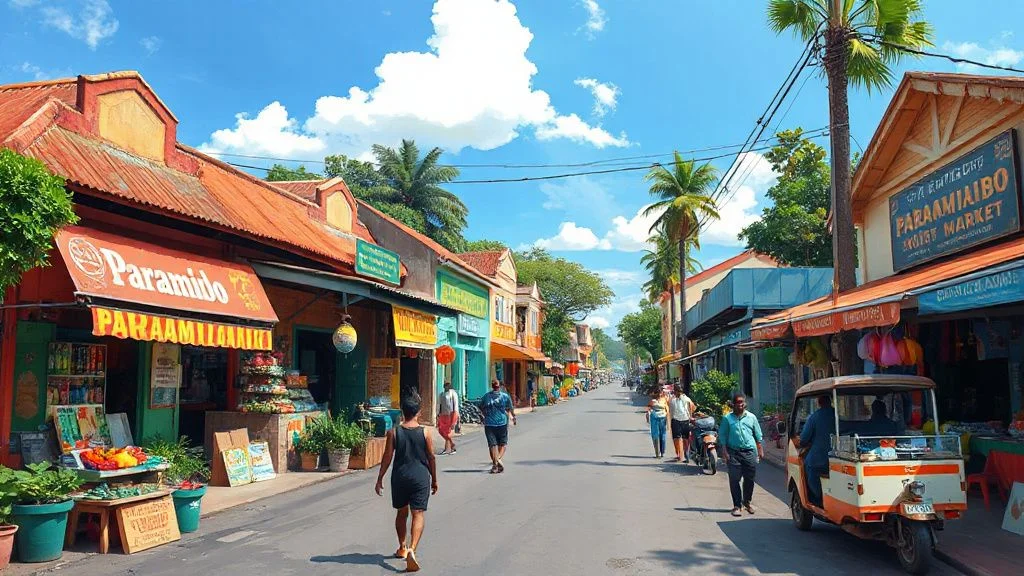
Choosing the right neighborhood is crucial when considering a tenancy with an option to buy. Suriname offers a variety of neighborhoods, each with its unique charm and amenities. For instance, Paramaribo, the capital city, is known for its vibrant culture and historical significance, with areas like the historic inner city, a UNESCO World Heritage Site, attracting many expatriates.
Other neighborhoods, such as Zorg en Hoop and Latour, offer a more suburban feel with family-friendly amenities, parks, and schools. It is essential to visit these neighborhoods to get a sense of the community and lifestyle. Engaging with local residents and exploring nearby facilities can provide valuable insights into whether a neighborhood meets your needs.
Cost of Living Considerations
Understanding the cost of living in Suriname is vital for budgeting your expenses. Rent prices can vary significantly based on location, property size, and amenities. While specific rental prices fluctuate, it is common to find apartments ranging from modest to luxurious. As a foreigner, you may encounter different pricing structures, so it is advisable to verify with local real estate agents or property listings to get a sense of current market rates.
In addition to rent, consider other living expenses such as utilities, groceries, and transportation. Suriname's tropical climate means air conditioning is a necessity, particularly during the hotter months, so factor in these costs when budgeting. Local markets and supermarkets offer a range of products, and prices can vary based on whether you choose local or imported goods.
Practical Tips for Securing Housing
Securing a tenancy with an option to buy as a foreigner in Suriname requires careful planning and consideration. Here are some practical tips to help you navigate the process:
- Engage a Local Real Estate Agent: A knowledgeable real estate agent can help you find properties that offer lease options and guide you through the negotiation process.
- Research the Market: Familiarize yourself with the local real estate market to understand typical rental prices and property values. This knowledge will empower you during negotiations.
- Visit Properties: Always visit properties in person before signing any agreements. This allows you to assess the condition of the property and the surrounding neighborhood.
- Consult Legal Experts: Before signing any contracts, consult with a local attorney who specializes in real estate. They can help ensure that your rights are protected and that the contract is legally sound.
- Network with Other Expats: Connecting with other expatriates can provide valuable insights and recommendations for trustworthy landlords and neighborhoods.
Cultural Nuances and Adaptation
Living in Suriname as a foreigner comes with its unique cultural nuances. Understanding local customs and practices can enhance your experience and help you integrate into the community. For example, Surinamese people are known for their hospitality, and it is common to greet neighbors and engage in friendly conversations.
Additionally, be mindful of local holidays and festivals, which are often celebrated with vibrant community events. Participating in these activities can help you build relationships and feel more connected to your new home. Learning a few phrases in Sranan Tongo, the local creole language, can also go a long way in fostering goodwill with residents.
Conclusion
In summary, foreigners can sign a tenancy with an option to buy in Suriname, but it is essential to navigate the legal landscape carefully. Understanding the terms of the lease, engaging with local real estate professionals, and being aware of cultural nuances will enhance your experience as an expatriate. By taking these steps, you can secure a property that meets your needs while enjoying the rich culture and lifestyle that Suriname has to offer.