
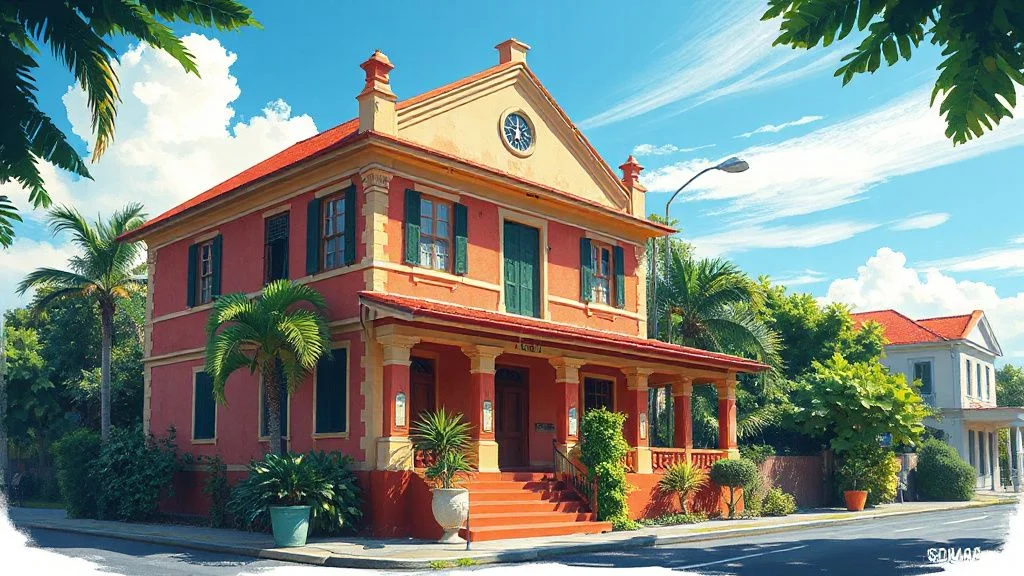
Renovating an older colonial-style home in Paramaribo's historic center can be both a rewarding and challenging endeavor. This area is rich in history and architectural beauty, making it a desirable location for both locals and expatriates. In this article, we will explore the unique aspects of renovating these historic homes, including considerations for preserving their charm, navigating local regulations, and practical tips for a successful renovation.
Understanding Colonial Architecture in Paramaribo
Paramaribo's colonial architecture reflects a blend of various cultures, including Dutch, African, and Indigenous influences. Homes in the historic center often feature high ceilings, large windows, and intricate wooden details. These elements not only contribute to the aesthetic appeal but also serve practical purposes, such as ventilation in the tropical climate. When considering a renovation, it’s essential to appreciate these architectural features and understand how they can be preserved or enhanced.
Key Architectural Features
One of the most striking aspects of colonial homes in Paramaribo is their use of local materials. The wooden structures are often built from durable hardwoods, which are known for their resistance to tropical weather. Retaining these materials during renovations is crucial, as they contribute to the home's historical integrity. Additionally, many homes have decorative elements such as fretwork and balustrades that can be restored to maintain the original character.
Preservation vs. Modernization
While it’s tempting to modernize an older home for comfort and convenience, it’s important to strike a balance between preservation and modernization. For instance, installing modern amenities like air conditioning should be done in a way that does not detract from the home’s historical features. Consider using discreet ductwork or window units that blend seamlessly with the architecture. Furthermore, when updating electrical systems, ensure that the work is done in a manner that respects the original design of the home.
Navigating Local Regulations
Renovating a home in Paramaribo's historic center comes with specific regulations aimed at preserving the area's cultural heritage. Before starting any renovation project, it is essential to familiarize yourself with local laws and obtain the necessary permits. There are guidelines in place for renovations in heritage sites, which may include restrictions on altering the exterior appearance of buildings.
Obtaining Permits
To begin your renovation, it is advisable to apply for a permit from the local municipality. This process may involve submitting architectural plans that outline your intended changes. It’s advisable to consult with a local architect who has experience with colonial homes, as they can help navigate the permit process and ensure compliance with regulations. Additionally, they can provide insights into the best practices for maintaining the historical integrity of your home.
Working with Local Authorities
Building relationships with local authorities can be beneficial during your renovation. Engaging with local cultural heritage organizations can provide guidance on best practices for restoration and preservation. They may also offer resources or recommendations for skilled craftsmen familiar with traditional techniques. Establishing a good rapport can facilitate smoother interactions throughout your renovation process.
Budgeting for Your Renovation
Budgeting for a renovation in Paramaribo requires careful planning. Costs can vary significantly based on the scope of the project, the materials used, and the labor involved. While specific figures are not published, it is essential to consider both expected and unexpected expenses. Typically, renovations can range from cosmetic updates to extensive structural repairs, each with its own cost implications.
Cost Considerations
When budgeting, consider the costs associated with materials, labor, and permits. High-quality local hardwoods may be more expensive but are worth the investment for their durability and aesthetic appeal. Additionally, hiring skilled labor familiar with colonial architecture may incur higher fees, but their expertise can save you money in the long run by preventing costly mistakes. It’s advisable to set aside a contingency fund for unexpected repairs or issues that may arise during the renovation process.
Finding Local Contractors
Finding reliable contractors who understand the nuances of colonial home renovations is crucial. Look for local professionals with a strong portfolio of similar projects. Recommendations from other expats or local residents can also be invaluable. Engaging a contractor who is familiar with the local building codes and preservation guidelines will help ensure that your renovation adheres to regulations while achieving your vision.
Practical Tips for a Successful Renovation
Embarking on a renovation project can be daunting, especially for expatriates unfamiliar with local customs and practices. Here are some practical tips to help you navigate the process smoothly.
Start with a Comprehensive Plan
Before diving into renovations, create a comprehensive plan that outlines your goals, budget, and timeline. This plan should include a detailed list of the renovations you wish to undertake, prioritizing essential repairs over cosmetic changes. Having a clear vision will help keep your project on track and prevent scope creep, which can lead to budget overruns and delays.
Embrace Local Culture
Renovating a home in Suriname is not just about the physical structure; it’s also an opportunity to immerse yourself in the local culture. Consider incorporating local design elements or artwork into your renovation. This could include traditional Surinamese textiles, pottery, or artwork that reflects the diverse heritage of the country. Such touches not only enhance the aesthetic appeal of your home but also create a sense of connection to the community.
What Expats Should Know
As an expatriate, navigating the renovation landscape in Paramaribo can come with unique challenges and opportunities. Understanding local customs and practices can significantly enhance your experience.
Building Relationships with Neighbors
Engaging with your neighbors can provide valuable insights into the local community and renovation practices. Many residents are proud of their homes and may be willing to share their experiences or recommend local artisans. Building these relationships can also foster a sense of belonging and support as you undertake your renovation project.
Adapting to the Climate
Suriname's tropical climate poses specific challenges for home renovations. Ensuring proper ventilation and insulation is crucial to maintaining a comfortable living environment. Consider incorporating features such as large overhangs or shaded patios to protect your home from the intense sun and rain. Additionally, using moisture-resistant materials can help prevent issues related to humidity.
Conclusion
Renovating an older colonial-style home in Paramaribo's historic center offers a unique opportunity to blend modern living with the charm of the past. By understanding the architectural features, navigating local regulations, budgeting wisely, and embracing the local culture, you can create a beautiful and functional home that honors its historical roots. With careful planning and a commitment to preservation, your renovation project can contribute to the ongoing legacy of this vibrant community.
Last updated: October 2026