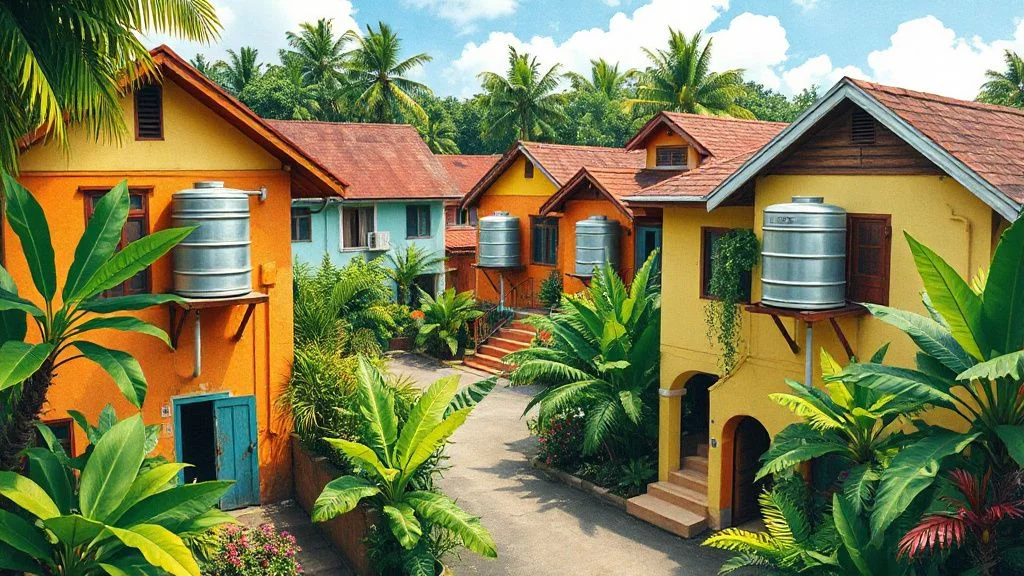
Leasing a house in Suriname, especially one equipped with a rainwater tank, comes with its own set of considerations. Understanding the notice period required for such leases is crucial for both local and foreign renters. This article will delve into the specifics of lease notices, the implications of having a rainwater tank, and practical advice for expats navigating the housing market in Suriname.
Understanding Lease Notices in Suriname
In Suriname the notice period is not a matter of the landlord's policy. The Huurwet Woonruimte 2020, the Act of 26 February 2020 published as S.B. 2020 no. 53, applies exclusively to the letting of living space, and article 3 fixes minimum periods that a contract cannot shorten. Notice is required in every case, for a fixed term as much as an open-ended letting and for an oral agreement as much as a written one, and it must be given in writing by registered letter or by bailiff's writ. On a fixed-term lease both sides must give at least three months before the agreed term expires. On an open-ended or orally agreed lease the landlord must give at least six months and the tenant at least three. Article 4 declares notice given contrary to article 3 void, and where the period alone was too short the letting is deemed to run on until three months after the day it should have ended. Article 12 provides that this part of the Act cannot be departed from by or on behalf of the parties. One exception is worth knowing: article 2 keeps the Act away from letting that is by its nature of short duration, so a few weeks in a holiday house is a different animal from a year in a family home.
When considering a lease, always ensure that the notice period is explicitly stated in the contract. This protects both the tenant and the landlord, providing a clear framework for ending the lease. If you are new to Suriname, familiarize yourself with local customs regarding leases, as they may differ significantly from those in your home country.
The Importance of Rainwater Tanks
Rainwater tanks are increasingly utilized in Suriname, particularly in areas with significant rainfall. These tanks play a role in water conservation. However, they also come with specific considerations when it comes to leasing a property.
When renting a house with a rainwater tank, it is vital to understand how the tank is maintained and what responsibilities fall on you as the tenant. Some landlords may include maintenance of the rainwater system in the lease, while others may expect tenants to handle it. Make sure to clarify this aspect in your lease agreement to avoid any misunderstandings later.
Typical Lease Terms and Conditions
Lease terms in Suriname can vary widely, but there are common elements that you should be aware of. Leases will outline the duration of the lease, the rental amount, and the payment schedule. Additionally, they will specify the notice period required for termination.
For houses with rainwater tanks, the lease may also include clauses related to the use of the tank. For example, some landlords may require tenants to use rainwater for non-potable purposes, such as irrigation or washing, while others may allow it for general household use. Understanding these terms is crucial for ensuring compliance and avoiding potential disputes.
Lease Duration and Renewal Options
Leases in Suriname can be structured for various durations, and it is advisable to negotiate a lease that includes a renewal option if you are considering a longer stay. This can provide you with stability and peace of mind, knowing that you have the option to extend your lease without having to search for a new property.
When negotiating lease terms, consider discussing the possibility of a rent freeze for the renewal period. This can protect you from unexpected rent increases, especially in a fluctuating market. Always ensure that any agreements made are documented in writing to avoid confusion later.
Security Deposits and Other Fees
In Suriname, landlords may require a security deposit. This deposit serves as a safeguard for the landlord against potential damages or unpaid rent. Ensure that the lease specifies the conditions under which the deposit will be returned at the end of the lease.
Additionally, inquire about any other fees associated with the lease, such as maintenance fees for the rainwater tank or utilities. Understanding these costs upfront can help you budget effectively and avoid surprises later.
Practical Tips for Expats Renting in Suriname
As an expat in Suriname, navigating the rental market can be challenging. Here are some practical tips to help you secure a lease on a house with a rainwater tank:
- Research the Market: Before starting your search, familiarize yourself with the rental market in Suriname. Websites and local real estate agents can provide insights into average rental prices and neighborhoods.
- Visit Properties: Always visit properties in person before signing a lease. This allows you to assess the condition of the rainwater tank and other amenities. Take note of the tank's size and condition, and ask about its maintenance history.
- Ask Questions: Don’t hesitate to ask the landlord or real estate agent questions about the lease terms, maintenance responsibilities, and the rainwater system. Clarity is key to avoiding misunderstandings.
- Negotiate Terms: If you find a property you like, be prepared to negotiate lease terms. Landlords may be open to adjusting the notice period or including maintenance services for the rainwater tank.
- Get Everything in Writing: Ensure that all agreements, including any verbal promises made by the landlord, are documented in the lease. This protects your interests and provides a reference point if disputes arise.
Cultural Considerations in Suriname
Understanding local customs and cultural nuances can significantly enhance your renting experience in Suriname. The country is known for its diverse population and rich cultural heritage, which influences social interactions, including those in the housing market.
Building rapport with your landlord can be beneficial. Surinamese culture values personal relationships, and establishing a good relationship can lead to a more favorable renting experience. Be respectful and open during discussions, and consider sharing a bit about yourself to foster a connection.
Additionally, be aware of local holidays and events that may affect your lease. For instance, during certain festivals, landlords may have different availability for property viewings or maintenance services. Being flexible and understanding can go a long way in building a positive relationship with your landlord.
Conclusion
Leasing a house with a rainwater tank in Suriname involves understanding specific lease terms, notice periods, and cultural nuances. By familiarizing yourself with the local rental market, asking the right questions, and establishing a good relationship with your landlord, you can secure a comfortable home that meets your needs. Always ensure that lease agreements are clear and comprehensive to protect your interests as a tenant. With the right approach, your renting experience in Suriname can be both rewarding and enjoyable.
Last updated: November 2026