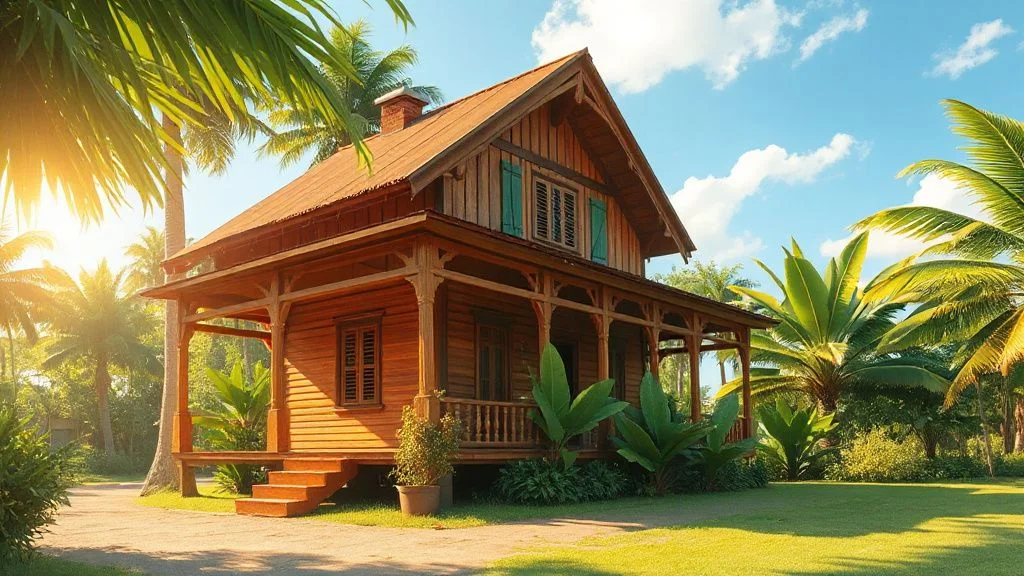
Securing a lease on a wooden colonial style house in Suriname is an exciting venture for many expats and locals alike. These charming residences, characterized by their unique architectural style, provide a glimpse into Suriname’s rich cultural heritage. However, before you can move into your dream home, it is crucial to understand the deposit requirements that come with leasing such a property. This article will guide you through the typical deposit amounts, the factors influencing these costs, and practical tips on how to navigate the rental market as a foreigner in Suriname.
Understanding the Deposit Structure
When leasing a house in Suriname, especially a traditional wooden colonial style house, landlords typically require a security deposit. This deposit serves as a financial safeguard against potential damages or unpaid rent. The amount of the deposit can vary significantly depending on several factors, including the property’s location, size, and condition.
Deposits for rental properties can vary, and it’s essential to clarify the exact amount during the leasing negotiations, as this can substantially impact your initial expenses.
Factors Influencing Deposit Amounts
Location
The location of the colonial style house plays a significant role in determining the deposit amount. For instance, properties situated in the capital city, Paramaribo, often command higher rental prices and consequently higher deposits. Neighborhoods such as Centrum, known for their proximity to amenities and cultural sites, may have landlords asking for larger deposits due to the desirability of the area.
On the other hand, more suburban or rural areas may have lower deposit requirements. The deposit amounts in these areas can vary, making them more accessible for families or individuals looking to minimize costs.
Condition and Amenities of the Property
The condition of the house and the amenities offered can also influence the security deposit. Newly renovated colonial homes with modern amenities such as air conditioning, updated plumbing, and secure parking may warrant a higher deposit. In contrast, older homes that require maintenance might have lower deposit amounts but could lead to additional costs later on if repairs are necessary.
For example, a well-maintained wooden colonial house equipped with a garden and a pool may have a higher deposit requirement compared to a basic colonial house without these features. It’s advisable to assess the property thoroughly and consider the long-term costs associated with maintenance before agreeing to the deposit amount.
Typical Deposit Process
The process of securing a deposit for a lease typically involves several steps. First, once you find a suitable property, you will need to express your intent to lease it to the landlord or real estate agent. They will usually provide you with a rental agreement that outlines the terms, including the deposit amount.
After reviewing the lease agreement, it’s crucial to discuss the deposit terms. Make sure to clarify whether the deposit will be held in a trust account, which is common practice in many regions, ensuring that your funds are protected during the lease period.
Upon signing the lease, you will usually be required to pay the deposit upfront. Keep in mind that this amount is separate from your first month’s rent, which is also due at the time of signing. Therefore, it’s advisable to budget accordingly to avoid any last-minute financial strain.
Practical Tips for Expats
Research and Networking
As an expat, navigating the Surinamese rental market can be challenging. Therefore, conducting thorough research is essential. Utilize online platforms, social media groups, and local expat forums to gather information about rental prices and experiences from other foreigners living in Suriname. Engaging with these communities can provide valuable insights into typical deposit amounts and reputable landlords.
Additionally, networking with locals can yield recommendations for trustworthy real estate agents who are familiar with the expat market. Local agents often have access to properties that may not be widely advertised, giving you an edge in your search.
Understanding Tenant Rights
Familiarizing yourself with tenant rights in Suriname is crucial. The Surinamese rental market does not have stringent regulations, so being informed about your rights can help you negotiate better terms. For instance, it’s common practice for landlords to return the security deposit within a specified timeframe after the lease ends, provided there are no damages beyond normal wear and tear.
Documenting the condition of the property before moving in, through photographs or a checklist, can also protect you when it comes time to reclaim your deposit. This documentation serves as proof of the property’s initial state, ensuring that you are not held responsible for pre-existing issues.
Final Considerations Before Leasing
Before committing to a lease on a wooden colonial style house, it’s important to consider additional costs beyond the deposit. Utilities such as water, electricity, and internet services are typically not included in the rent, and these can add up quickly. Understanding the average utility costs in your chosen neighborhood will help you budget effectively.
Furthermore, be aware of any additional fees that may be associated with the lease. Some landlords might charge for maintenance or property management services, which can impact your overall rental costs. Always clarify these details before signing the lease to avoid unexpected surprises.
Conclusion
Leasing a wooden colonial style house in Suriname can be a rewarding experience, offering a unique lifestyle in a culturally rich environment. By understanding the typical deposit requirements, the factors influencing these amounts, and practical tips for navigating the rental market, you can secure a home that meets your needs while minimizing potential challenges. Remember to conduct thorough research, familiarize yourself with local tenant rights, and consider all associated costs to ensure a smooth transition into your new home.
Whether you’re drawn to the charm of colonial architecture or the vibrant culture of Suriname, your new home awaits!