Leasing a house in Suriname that comes with its own water pump can be an appealing option for many expats and locals alike. A water pump ensures a reliable water supply, which is crucial given the tropical climate of the country. Understanding the costs associated with such leases, as well as the terms and practical tips for navigating the rental market, is essential for making an informed decision. This article delves into the average costs, lease agreements, and insider tips for securing a property in Suriname.
Understanding Lease Costs for Houses with Water Pumps
When considering leasing a house with its own water pump in Suriname, it's important to note that prices can vary significantly based on several factors, including location, the condition of the property, and the amenities provided. Typically, properties with their own water supply are situated in areas where water access might be problematic, making them more desirable.
As of 2026, renting a 3-bedroom house in the city center generally costs around $939.45 per month, while the same house outside of the city center may cost approximately $501.87 per month (source: wise.com). While specific costs for houses with water pumps are not published, you can anticipate that such a property may fall towards the upper end of these ranges due to the added convenience of a private water supply.
For those looking for more modest accommodations, 1-bedroom apartments in the city center average about $486.33 per month. However, if you are focused on finding a house with a water pump, it's essential to have a budget set between these figures and be prepared for possible additional costs related to maintenance and utilities.
Lease Terms and Conditions
The lease agreement for a rental property in Suriname is typically governed by the Suriname Civil Code, which outlines the rights and responsibilities of both the lessor (the owner) and the lessee (the tenant). It is crucial to understand these terms before signing a lease.
Common lease periods range from six months to a year, though longer leases may be negotiated. The lessor is responsible for maintaining the property, ensuring that it is in good condition and that all systems, including the water pump, function correctly. The lessee, in turn, is obligated to take care of the property and pay the lease on time.
One important aspect to consider is the Rent Protection Code, which stipulates that landlords cannot terminate a lease without a valid reason. This means that if you have a water pump and the landlord wants to evict you, they must go through the court system. This legal protection can provide peace of mind for tenants, as it ensures that you have the right to remain in your home as long as you adhere to the lease terms.
The Importance of Water Supply in Suriname
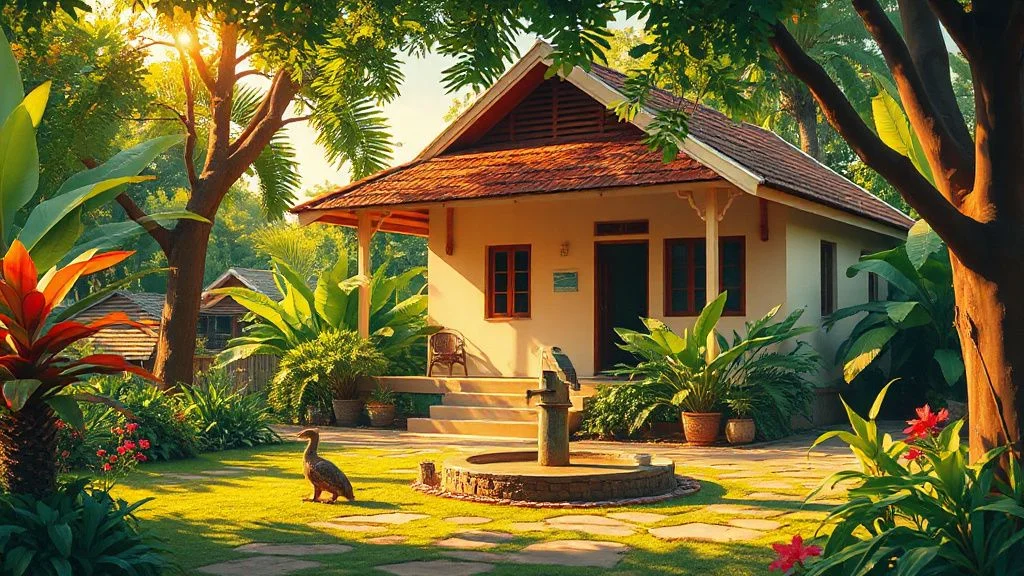
In Suriname, the climate is tropical, with high humidity and consistent rainfall throughout the year. This makes access to clean, reliable water essential for day-to-day living. Many areas in Suriname, particularly outside of the main urban centers, may experience intermittent water supply issues. Having a private water pump can alleviate some of these concerns, ensuring that you have consistent access to water for cooking, cleaning, and bathing.
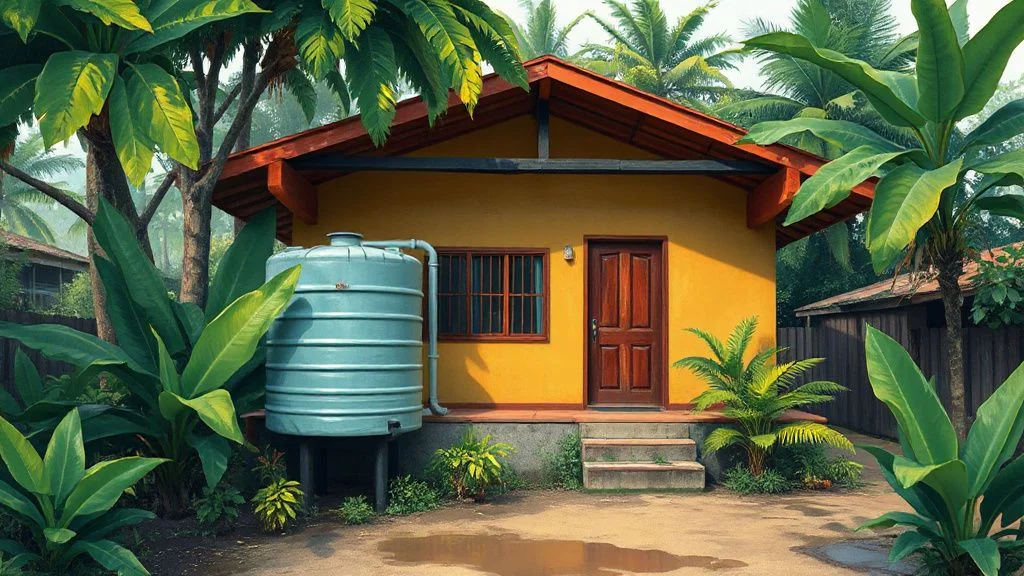
Moreover, a house equipped with a water pump often has a water storage tank, which can be beneficial during periods of low rainfall or when municipal water supplies are disrupted. For expats, understanding the local water quality standards is crucial. It may be necessary to install additional filtration systems if the water from the pump is not potable without treatment.
Comparing Neighborhoods for Rental Options
When searching for a house with a water pump, location can significantly influence rental costs and the overall living experience. Popular neighborhoods in Paramaribo include Uitvlugt, which is known for its family-friendly environment, and the historic inner city, a UNESCO World Heritage Site that offers a unique cultural experience.
In Uitvlugt, you may find larger homes with private amenities, including water pumps. Here, rental prices tend to be moderate, with many properties offering green spaces and a sense of community. Alternatively, the city center offers cultural attractions and conveniences, but properties may be smaller, and prices higher.
It's advisable to visit different neighborhoods to get a sense of the local atmosphere, amenities, and the availability of properties with water pumps. Engaging with local real estate agents who have knowledge of the rental market can also provide insights into the best options for your needs.
Practical Tips for Securing a Lease
Securing a lease on a house with a water pump in Suriname requires careful planning and consideration. Here are some practical tips to streamline the process:
- Research the Market: Familiarize yourself with the average rental prices in the neighborhoods you are considering. Websites and local real estate offices can provide valuable information about current listings.
- Inspect the Property: Before signing a lease, make sure to inspect the property thoroughly, paying special attention to the water pump and related plumbing systems. Ask the landlord about the maintenance history of the pump and any warranties that may exist.
- Negotiate Terms: Don't hesitate to negotiate lease terms, especially if you plan to stay long-term. Discuss potential rent reductions or improvements to the property that may be beneficial for both parties.
- Understand the Lease Agreement: Read the lease agreement carefully, ensuring that you understand all terms and conditions, including your responsibilities and rights regarding the water pump and other utilities.
- Consider Local Utilities: In addition to the rent, budget for utilities such as electricity and water. Basic utilities for an average-sized home can cost around $37.67 monthly (as of 2026, source: wise.com). Ensure you understand how water usage may affect your total monthly costs, especially if the pump has specific operational costs.
- Engage a Local Expert: If you are unfamiliar with the Surinamese rental market, consider hiring a local real estate agent who can help you navigate the process and find properties with the amenities you need.
Cultural Considerations for Renters
Living in Suriname offers a rich cultural experience, with a diverse population and a unique blend of traditions. Engaging with the local community can enhance your stay and help you adapt more easily to your new environment.
When renting, it is customary to build a good rapport with your landlord. Many landlords appreciate tenants who respect their property and maintain open communication. Understanding local customs, such as greeting your neighbors and participating in community events, can help you feel more at home in your neighborhood.
Additionally, be mindful of the local environment, especially concerning water usage. Since water is a precious resource, using it wisely can foster goodwill with neighbors and demonstrate your commitment to the community.
Conclusion
Leasing a house with its own water pump in Suriname can provide added convenience and peace of mind, especially in areas where water supply may be inconsistent. By understanding the costs involved, lease terms, and practical tips for securing a property, you can navigate the rental market with confidence. Always consider the importance of location, cultural nuances, and community engagement to ensure a fulfilling living experience in this vibrant country.
By following the guidelines presented here, potential renters can secure the right property and enjoy everything that Suriname has to offer.