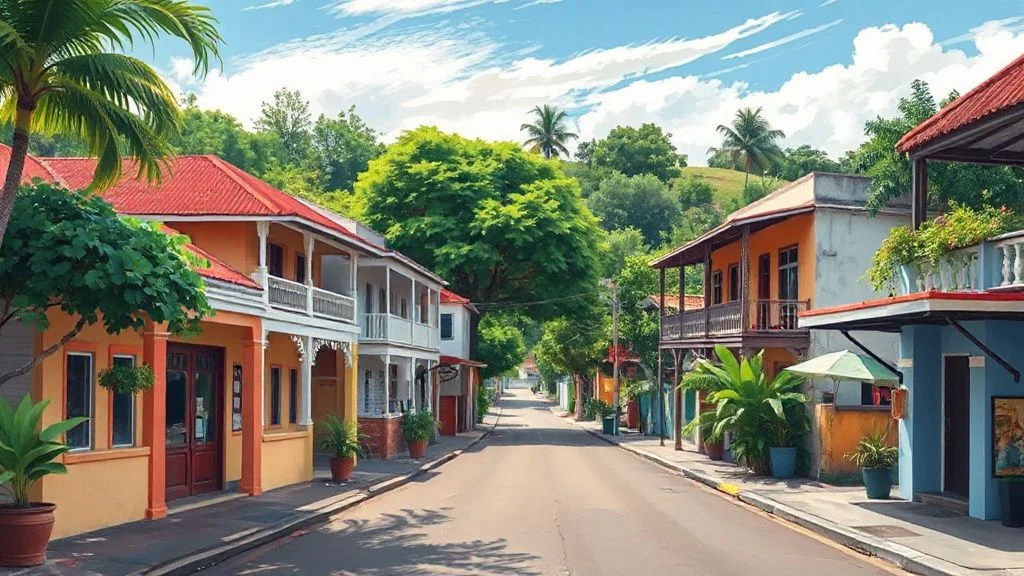
Understanding the financial responsibilities associated with leasing a wooden colonial-style house in Suriname is crucial for both local and foreign renters. This article will explore who typically pays the bills under such leases, the common utilities involved, and practical tips for expats to navigate these agreements effectively.
Understanding Lease Agreements in Suriname
When renting a colonial-style house in Suriname, the lease agreement is the primary document that outlines the responsibilities of both the landlord and the tenant. Typically, these agreements will specify who is responsible for paying various utility bills, including electricity, water, and internet. However, the specifics can vary significantly from one lease to another, so it’s essential to read the lease carefully.
In many cases, landlords may include utility costs in the monthly rent, particularly for short-term leases or furnished homes. This arrangement can simplify budgeting for expats who are unfamiliar with local utility costs. However, for long-term leases, it is more common for tenants to pay for utilities separately. Therefore, it’s advisable to clarify these details before signing any lease.
Common Utility Bills in Colonial Houses
Colonial houses in Suriname, known for their unique architectural charm, often come with specific utility needs. The primary utilities you will encounter include:
- Electricity: Electricity is typically one of the more significant monthly expenses, especially if the house is equipped with air conditioning, which is essential in the tropical climate.
- Water: Water bills can vary based on usage, but they are generally less expensive than electricity. In many cases, landlords may cover water costs, but this should be verified in the lease.
- Internet and Cable: Internet services are widely available, and many expats opt for packages that include cable television. These costs are usually borne by the tenant unless otherwise stated in the lease.
Understanding these utilities and their associated costs will help you budget effectively. It’s also wise to inquire about average monthly expenses from previous tenants or the landlord to get a clearer picture of what to expect.
Who Typically Pays for Utilities?
In Suriname, the responsibility for utility payments can vary based on the lease agreement. Typically, the following arrangements are common:
- Tenant Pays All Utilities: In most long-term leases, tenants are responsible for all utility payments. This arrangement allows tenants to have control over their consumption and costs. Be sure to ask for copies of recent utility bills to gauge what your monthly expenses might look like.
- Landlord Covers Some Utilities: In some cases, landlords may include water or electricity in the rent. This is more common in furnished rentals or short-term leases. If this is the case, ensure that the lease specifies which utilities are included and any limits on usage.
- Shared Payments: Occasionally, landlords and tenants may agree to share utility costs. This arrangement can be beneficial in maintaining a good relationship, especially in shared living spaces.
Regardless of the arrangement, it is essential to have these details clearly outlined in the lease to avoid misunderstandings later on.
Practical Tips for Expats
Navigating the rental market in Suriname can be challenging, especially for expats. Here are some practical tips to help you secure a lease on a colonial-style house and manage your utility payments effectively:
1. Clarify Utility Responsibilities
Before signing a lease, clarify who is responsible for each utility. Ask the landlord to provide a detailed breakdown of what is included in the rent and what you will be responsible for. This will help you avoid unexpected costs down the line.
2. Get Utility Estimates
Request estimates for utility costs from the landlord or previous tenants. This information will help you budget more accurately. If the landlord is unwilling to share this information, consider reaching out to local expat groups online for insights from others who have lived in similar properties.
3. Check for Meter Readings
When moving into a new rental, take initial meter readings for electricity and water. This will ensure you are only charged for your usage and not for any previous tenants. Document these readings and share them with your landlord to maintain transparency.
4. Understand Local Providers
Familiarize yourself with local utility providers. Knowing how to contact them for issues or inquiries will be beneficial. Additionally, research local internet providers to find the best service for your needs.
5. Budget for Fluctuations
Utility costs can fluctuate based on usage and seasonal changes. Be prepared for higher bills during the hotter months when air conditioning is used more frequently. Setting aside a small buffer in your budget can help manage these fluctuations.
Cultural Considerations
Renting a colonial-style house in Suriname offers a unique cultural experience. Understanding local customs and practices can enhance your living experience:
1. Community Engagement
Surinamese culture values community and relationships. Engaging with your neighbors can provide insights into local practices, including how utilities are managed. Building rapport can also lead to helpful tips on local services and recommendations.
2. Language Considerations
While many Surinamese people speak English, especially in urban areas, it’s beneficial to learn some basic Dutch or Sranan Tongo phrases. This can help in negotiations and discussions with landlords and service providers, fostering goodwill and understanding.
Conclusion
Understanding who pays the bills under a lease for a wooden colonial-style house in Suriname is essential for effective budgeting and a smooth rental experience. By clarifying utility responsibilities, obtaining estimates, and engaging with the local community, expats can navigate the housing landscape with confidence. Always ensure that lease agreements are clear and comprehensive to avoid any misunderstandings regarding utility payments. With the right preparation, renting in Suriname can be a rewarding experience filled with cultural richness and charm.
Primary Sources
Last updated: November 2026