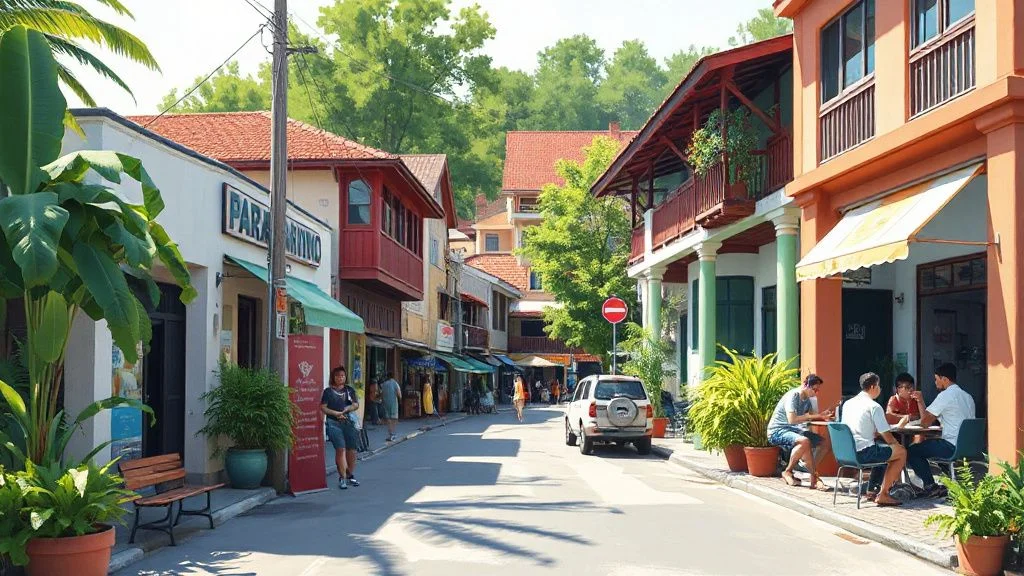
Subletting can be an appealing option for many expats in Suriname, especially in a vibrant city like Paramaribo, where housing demand often exceeds supply. However, subletting without the owner's knowledge can lead to complications, particularly regarding deposits. This article will explore the typical expectations for deposits in such scenarios, the potential risks involved, and practical advice for securing housing as a foreigner.
Understanding Subletting in Suriname
Subletting occurs when a tenant rents out their leased property to another person, known as the subtenant. In Suriname, this practice is not uncommon, especially among expatriates who may need temporary housing solutions. However, it is crucial to understand the legal and financial implications of subletting without the owner's consent.
In many cases, the original lease agreement explicitly prohibits subletting without the landlord's approval. This means that if you sublet without informing the owner, you could face legal consequences, including eviction or loss of your security deposit. Therefore, it’s essential to review your lease agreement carefully before considering subletting.
Deposit Expectations for Sublets
On a sublet the deposit question has a weaker footing than on an ordinary letting, and it is worth seeing why before handing over money. The Huurwet Woonruimte 2020, the Act of 26 February 2020 published as S.B. 2020 no. 53, governs residential letting in Suriname and says nothing about deposits at all: no maximum, no multiple of the rent, no procedure for recovery. On top of that, a sublet agreed without the owner's knowledge gives the subtenant a counterparty whose own right to the property may end without the subtenant having any say in it. If the head tenant's letting is brought to an end, the subtenant's position goes with it, and the person holding the deposit is the head tenant rather than the owner. So the practical risk is not that the amount is too high but that the money is held by someone who may disappear from the arrangement. Write down the amount, the currency, the date paid and the repayment period; keep proof of payment rather than paying in cash without a receipt; and ask to see the head tenancy agreement and whether it permits subletting, because the answer tells you how long your own occupation can safely be expected to last.
For instance, if you are subletting a one-bedroom apartment in the heart of Paramaribo, you might expect to pay a deposit that aligns with the monthly rent. Typically, this deposit is held in trust until the end of the lease term, at which point it may be returned if the property is in good condition. However, if the owner is unaware of the sublet, the original tenant may not have the authority to collect or return this deposit.
Risks of Subletting Without Owner Knowledge
Subletting without the owner's knowledge poses several risks. First and foremost, if the landlord discovers that the property is being sublet without permission, they may take legal action against both the original tenant and the subtenant. This could result in eviction, loss of the security deposit, and potential legal fees.
Moreover, the subtenant may find themselves in a precarious situation. If issues arise, such as maintenance problems or disputes over the deposit, the subtenant may have limited recourse since they do not have a direct agreement with the landlord. This lack of legal standing can lead to frustration and financial loss.
Practical Tips for Securing a Sublet
For expats considering subletting in Suriname, there are several practical steps to take to ensure a smoother process. First, always communicate openly with the original tenant about the lease agreement and any restrictions on subletting. If possible, encourage them to seek permission from the landlord to avoid potential issues.
Additionally, it’s wise to document everything. When agreeing to a sublet, ensure that you have a written agreement that outlines the terms, including the deposit amount, rental duration, and responsibilities for maintenance and repairs. This document can serve as a reference point in case of disputes.
Research the Neighborhood
Before committing to a sublet, take the time to research the neighborhood. Paramaribo has various districts, each with its unique characteristics. For example, the historic inner city is a UNESCO World Heritage Site, known for its colonial architecture and vibrant culture. In contrast, neighborhoods like Latour and Zorg en Hoop offer a more suburban feel with local amenities.
Understanding the neighborhood can help you gauge whether the rental price is reasonable and whether the area meets your lifestyle needs. Consider factors such as proximity to public transportation, grocery stores, and recreational facilities when evaluating a sublet.
Know Your Rights
As a tenant in Suriname, it’s essential to be aware of your rights. Familiarize yourself with local rental laws and regulations, which can provide guidance on what to expect regarding deposits and lease agreements. While specific legal frameworks may not be publicly available, local expat forums and community groups can be valuable resources for gathering information.
Engaging with other expatriates can also provide insights into common practices and potential pitfalls in the rental market. Many expats share their experiences and advice on platforms dedicated to living in Suriname, which can help you navigate the complexities of subletting.
What to Do If You Encounter Issues
If you find yourself facing issues related to a sublet, such as disputes over the deposit or property conditions, it’s important to address them promptly. Start by communicating with the original tenant to resolve any misunderstandings. If necessary, escalate the issue to the landlord, if you have their contact information.
In cases where disputes cannot be resolved amicably, consider seeking legal advice. While legal services may not be as accessible in Suriname as in other countries, local lawyers can provide guidance on tenant rights and help mediate disputes. Ensure that you keep records of all communications and agreements, as these can be crucial in any legal proceedings.
Conclusion
Subletting in Suriname can be a viable option for expats seeking temporary housing, but it comes with its challenges, especially when done without the owner's knowledge. Understanding deposit expectations, the risks involved, and practical steps for securing a sublet can help mitigate potential issues. Always prioritize open communication, thorough documentation, and knowledge of your rights as a tenant. By doing so, you can navigate the Surinamese rental market more effectively and enjoy your time in this beautiful country.
Last updated: November 2026