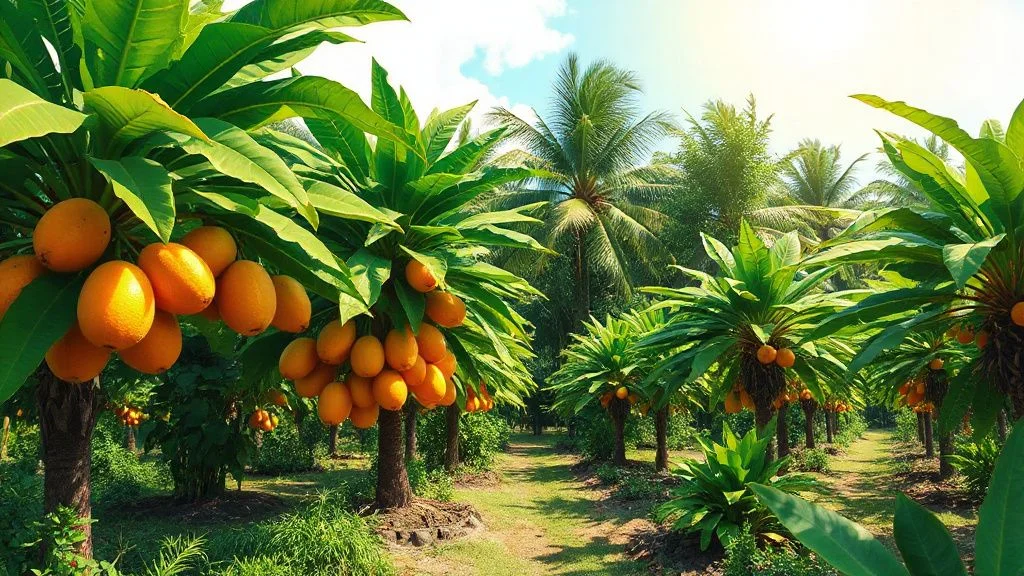
For many expats and foreign buyers considering a move to Suriname, the prospect of acquiring a lease on a plot with a fruit garden can be both exciting and daunting. This article explores the registration of such leases, the legal framework surrounding land ownership, and practical tips for navigating the Surinamese real estate market.
Understanding Land Leases in Suriname
In Suriname, land is primarily owned by the state, with two main forms of land title: eigendom (full ownership) and grondhuur (a time-limited lease). Foreigners can purchase existing freehold properties but face restrictions when it comes to leasing state land. The legal framework for leases is governed by the Suriname Civil Code and the Agriculture Act, which regulate long-term land leases known as erfpacht and standard leases called grondhuur.
The long-term lease (erfpacht) was traditionally issued for a duration of 75 years, and although new long-term leases are no longer being issued, existing leases can be converted to a standard lease upon termination. The Decree Legal Status Land, issued for land allocated before July 1, 1982, provides a framework for these conversions. It's essential to register the lease in the appropriate public register to validate your rights over the land.
Registration of Leases and Rights of Leaseholders
The registration of a lease is crucial for establishing the rights of the leaseholder. A long-term leaseholder has the right to use the property for various purposes, including planting and improving the land. However, this does not confer outright ownership of the land itself. The leaseholder is responsible for maintaining the property and ensuring that any improvements do not depreciate the land's value. If the lease is terminated, the leaseholder may need to remove any structures or improvements made to the land.
For individuals interested in plots with fruit gardens, understanding these rights is vital. A leaseholder can typically cultivate fruit and other crops, provided they adhere to the terms set forth in their lease agreement. This arrangement allows for the enjoyment of agricultural benefits while ensuring compliance with local regulations. To secure a lease, it's advisable to consult with a local notary who can assist in navigating the registration process and confirming the lease's validity.
Types of Leases Available for Fruit Gardens
When considering leasing a plot for a fruit garden in Suriname, it’s essential to understand the different types of leases available. The most common types include:
- Long-term Lease (erfpacht): Typically issued for 75 years, this lease allows the holder to make improvements and derive agricultural benefits from the land. However, as mentioned earlier, new long-term leases are no longer issued.
- Standard Lease (grondhuur): Issued for a shorter duration, ranging from 15 to 40 years, this lease can be renewed at the end of the term. This option is often more accessible for foreign buyers, although it requires approval from the government.
Before committing to a lease, potential lessees should verify the specific terms and conditions imposed by the Suriname government. Engaging with local real estate agents or legal experts can provide clarity on the types of leases available and their implications.
Practical Tips for Securing a Lease on a Fruit Garden Plot
Securing a lease on a plot with a fruit garden in Suriname involves several steps and considerations. Here are some practical tips for expats and foreign buyers:
1. Research the Local Market
Before diving into the leasing process, familiarize yourself with the local real estate market. Paramaribo, the capital, offers various options for leases, but prices and terms may vary significantly based on location and land quality. Consult online real estate platforms, local classifieds, and expat forums to gauge current market trends.
2. Engage a Local Notary
It is crucial to work with a local notary during the leasing process. Notaries in Suriname play a significant role in validating property transactions. They can assist with the due diligence process, ensuring that the lease is legally sound and properly registered. A notary's involvement can help mitigate risks and provide peace of mind.
3. Confirm Lease Terms and Conditions
Before signing any documents, ensure you thoroughly understand the lease terms and conditions. Ask questions about the duration of the lease, renewal options, maintenance responsibilities, and any restrictions on land use. For example, some leases may limit certain activities, such as large-scale construction or commercial farming. Clarity on these points will help prevent misunderstandings in the future.
4. Understand Your Rights and Responsibilities
As a leaseholder, you have specific rights and responsibilities that must be adhered to. Familiarize yourself with the Suriname Civil Code and any relevant agricultural regulations. Understanding your obligations regarding maintenance, taxes, and improvements can help you manage the land effectively.
5. Build Relationships with Local Farmers
If you're planning to cultivate a fruit garden, consider connecting with local farmers or agricultural associations. They can provide valuable insights into the best practices for growing fruit in Suriname's tropical climate, including soil preparation, pest management, and seasonal planting schedules. Building these relationships can also foster a sense of community and provide support as you navigate your new venture.
Challenges and Considerations for Foreign Buyers
While leasing a plot for a fruit garden in Suriname offers many opportunities, there are also challenges to consider. One significant challenge is the lengthy approval process for foreign leases. Although foreigners can obtain state land leases, the process often requires navigating bureaucratic hurdles and securing government consent, which may take time.
Additionally, understanding local customs and agricultural practices is essential. Suriname's tropical climate can be both a boon and a challenge for fruit cultivation. While the warm temperatures and ample rainfall are conducive to growth, pests and diseases can also pose a significant threat. Engaging with local agricultural experts can provide insights into pest management and sustainable farming practices that are effective in Suriname.
Conclusion
In conclusion, leasing a plot with a fruit garden in Suriname can be a rewarding endeavor for expats and foreign buyers. Understanding the registration process, types of leases available, and practical tips for securing a lease are crucial steps in navigating the Surinamese property market. By conducting thorough research, engaging local professionals, and building connections within the community, you can successfully establish your fruit garden in this vibrant and diverse country. Embracing the local agricultural practices and understanding your rights and responsibilities will not only enhance your experience but also contribute to the sustainability of your new endeavors in Suriname.
Primary Sources
Last updated: November 2026