In Suriname, many properties, especially those outside of urban areas like Paramaribo, come with unique features such as private water pumps. However, understanding the registration of leases for such houses is crucial for potential buyers and renters, particularly expats unfamiliar with local laws. This article delves into the nuances of leasing properties with water pumps in Suriname, the registration process, and practical tips for securing housing.
The Basics of Leasing in Suriname
Leasing property in Suriname is governed by specific legal frameworks. The two main forms of land rights are eigendom (full ownership) and grondhuur (leased state land). In most cases, houses with private water pumps are built on leased land. It’s essential to understand that leasing does not equate to ownership of the land beneath the house. Instead it grants the right to use the property for a fixed term: for grondhuur that term runs from 15 to 40 years under article 14 paragraph 3 of the Decreet Uitgifte Domeingrond, S.B. 1982 no. 11, with renewal at the end of it.
When it comes to registration, all land leases must be processed through a civil-law notary, known as a notaris. This notary plays a crucial role in ensuring that the lease is legally binding and properly documented. The registration occurs at the Management Institute for Land Registration and Land Information System (MI-GLIS). For those unfamiliar, MI-GLIS is the official body responsible for maintaining land records in Suriname. It is vital for expats to verify that the lease is registered here to ensure their legal rights to the property.
Understanding Water Pumps on Leased Properties
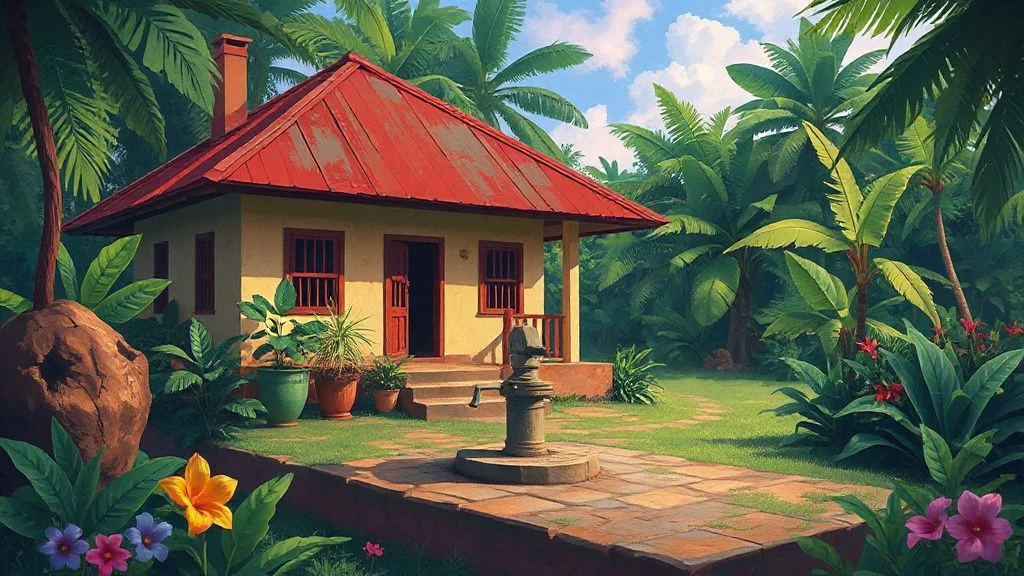
Houses in Suriname often come equipped with their own water pumps, particularly in rural or semi-urban areas where supply from the Surinaamsche Waterleiding Maatschappij is not equally dependable everywhere. There is no municipal water utility: Suriname has districts and ressorts, and the SWM is the company that supplies mains water. These pumps can be a significant asset, providing an independent source of water for domestic use.
However, when leasing a property with a water pump, several aspects need to be clarified in the lease agreement. First, ascertain whether the pump is owned by the landlord or if it is part of the lease. If it is owned by the tenant, the lease should specify the maintenance responsibilities and any associated costs. Moreover, it’s wise to check for any existing agreements regarding the water supply, especially if the pump is connected to a broader community system.
Additionally, since water quality can vary, expats should consider testing the water from the pump to ensure it meets health standards. Local health departments or private labs can conduct these tests, which can prevent issues later on.
Registering Your Lease
As mentioned earlier, registering a lease in Suriname involves engaging a notary. This process is crucial for both expats and locals, as it provides legal protection and ensures that your rights are upheld. The registration process typically involves the following steps:
- Negotiation: Agree on the terms of the lease with the landlord, including the duration, rent, and responsibilities regarding the water pump.
- Documentation: Provide the notary with necessary documents, including your identification and the lease agreement.
- Verification: The notary will verify the ownership of the property and check for any existing claims or mortgages.
- Registration: Pay the required fees for registration. It’s important to inquire about these costs beforehand, as they can vary.
- Obtain a copy: Once registered, you should receive a copy of the lease agreement with the registration details, which serves as proof of your rights.
The registration process helps secure your investment and provides peace of mind, especially for expats who may face challenges in navigating local laws and regulations.
Practical Tips for Expats Renting or Buying in Suriname
As an expat looking to rent or buy a property in Suriname, particularly one with a water pump, consider the following practical tips:
- Work with Local Agents: Engage with real estate agents who have experience working with expatriates. They can provide valuable insights into the local market, help find suitable properties, and assist in understanding the lease agreements.
- Inspect the Property: Always conduct a physical inspection of the property before signing any lease. Check the condition of the water pump, plumbing, and overall infrastructure. This is crucial to avoid unexpected repair costs later.
- Understand the Local Market: Familiarize yourself with the rental market in areas of interest. Rental prices can vary significantly based on location, proximity to amenities, and property features. For instance, houses in Paramaribo typically fetch higher rents than those in outlying areas.
- Negotiate Lease Terms: Don’t hesitate to negotiate terms with the landlord. This could include the length of the lease, rental price, and maintenance responsibilities. Having a clear, mutually agreed-upon contract is essential.
- Seek Legal Advice: If you are uncertain about lease agreements or local laws, consider hiring a local attorney who specializes in real estate. They can help clarify any complex issues and ensure that your rights are protected.
Cultural Nuances and Adaptation
Living in Suriname can be a rich cultural experience, especially for expats coming from different backgrounds. Understanding cultural nuances can aid in adapting to life in this diverse country. The local population is a blend of various ethnicities, including Indigenous peoples, Creole, Javanese, Chinese, and others, which influences local customs and social interactions.
When renting or buying property, building a good relationship with your landlord and neighbors can enhance your living experience. Surinamese people are generally friendly and hospitable. Engaging in local community events or social gatherings can provide an excellent opportunity to connect with others and integrate into the community.
Moreover, be prepared for some cultural differences in communication styles and negotiation practices. While some might expect directness, others may prefer a more indirect approach. Observing local customs and etiquette can go a long way in establishing rapport.
Conclusion
Securing a lease for a house with its own water pump in Suriname involves understanding the local leasing laws, the importance of registration, and practical considerations for expats. By working with local agents, negotiating effectively, and being aware of cultural nuances, you can navigate the process more smoothly. Always ensure that your lease is officially registered to protect your investment and rights as a tenant. By doing so, you can enjoy the benefits of living in a vibrant, culturally rich country while having the peace of mind that comes with a secure lease agreement.