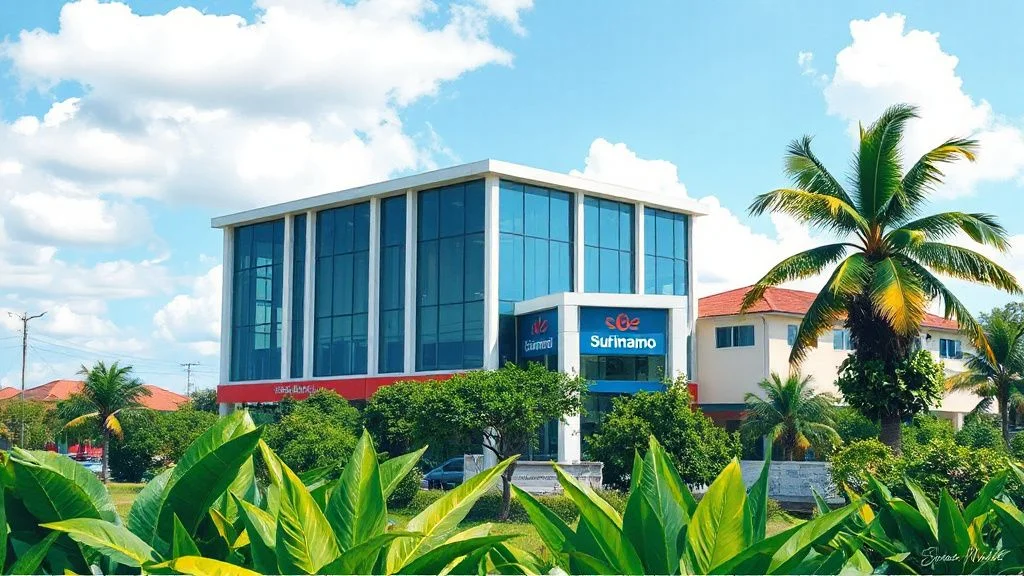
Understanding who may file a mortgage with a local bank in Suriname is crucial for both local and foreign property buyers. This article will explore the eligibility criteria, necessary documentation, and the unique aspects of obtaining a mortgage in Suriname.
Eligibility Criteria for Mortgages in Suriname
In Suriname, the eligibility to file for a mortgage with a local bank primarily depends on the applicant's residency status and financial standing. Local banks typically extend mortgage options to both citizens and foreigners, but the requirements can vary significantly.
For Surinamese citizens, the process is relatively straightforward. They must provide proof of income, a valid identification document, and details about the property they wish to purchase. Foreigners, on the other hand, face additional scrutiny. They need to demonstrate their ability to repay the loan, which often includes providing proof of income from abroad and a substantial down payment.
Foreigners and Mortgage Applications
Foreign nationals interested in purchasing property in Suriname can apply for a mortgage, but they should be aware of specific limitations. What a bank asks for is set by that bank and by the file in front of it, and nothing is published that would let a guide put a figure on it. Ranges graded by nationality circulate widely and we could not trace them to any lender's published terms, so ask the banks directly and compare what they put in writing.
Additionally, foreign applicants must provide a valid passport, proof of residency in their home country, and sometimes a reference from their local bank. It is advisable for foreigners to consult with a local real estate agent or legal advisor to navigate the complexities of the mortgage application process.
Documentation Required for Mortgage Applications
When applying for a mortgage in Suriname, applicants must prepare a comprehensive set of documents. This typically includes:
- A completed mortgage application form.
- Proof of identity (passport or national ID).
- Proof of income (pay stubs, tax returns, or bank statements).
- Property details (sales agreement or property listing).
- Credit history or report, if applicable.
For foreigners, additional documentation may be required, such as a letter from their employer or a bank reference. It is essential to check with the specific bank for any additional requirements they may have.
Understanding Loan-to-Value Ratios
Loan-to-value (LTV) ratios are critical in determining how much a bank is willing to lend. The ratio a bank will lend against is part of its offer rather than a rule you can look up, and it is one of the things to get on paper before you commit to a purchase. Whatever the bank does not lend you have to bring yourself, so the ratio and the deposit are the same question asked twice.
Understanding the LTV ratio is crucial for potential buyers, as it directly impacts the amount of cash needed upfront. For instance, if a property is valued at 1,000,000 SRD, a foreign buyer might need to provide a down payment of 300,000 SRD to 500,000 SRD, depending on the bank's policies.
Common Pitfalls in the Mortgage Application Process
Foreigners applying for a mortgage in Suriname should be aware of several common pitfalls that can delay or derail their application. One significant issue is the lack of familiarity with local banking practices. Many buyers underestimate how long a mortgage application takes. How long that is depends on the bank and on how complete the file is, and no published period covers it, so ask the bank at the outset what it is currently working to and what it still needs from you.
Another common mistake is not having all the necessary documentation prepared in advance. Incomplete applications can lead to delays or rejections. It is advisable to work closely with a local real estate professional who can guide buyers through the process and ensure that all paperwork is in order.
Consulting with Professionals
Given the complexities involved in securing a mortgage in Suriname, consulting with a licensed real estate agent or legal advisor is highly recommended. These professionals can provide valuable insights into the local market, help navigate the legal requirements, and assist in preparing the necessary documentation.
Additionally, they can help identify potential lenders and negotiate terms that may be more favorable for the buyer. This step is particularly important for foreigners who may not be familiar with the local banking landscape.
Practical Tips for Securing a Mortgage
Securing a mortgage in Suriname as a foreigner can be challenging, but with the right approach, it is entirely feasible. Here are some practical tips:
- Research Local Banks: Not all banks offer the same terms for foreign buyers. Research and compare different banks to find the best mortgage options.
- Prepare Financial Documentation: Ensure that all financial documents are up-to-date and accurately reflect your financial situation.
- Understand Local Laws: Familiarize yourself with Suriname's property laws and regulations, especially regarding foreign ownership.
- Be Patient: The mortgage approval process can be lengthy, especially for foreigners. Patience and thorough preparation are key.
Conclusion
Filing a mortgage with a local bank in Suriname is accessible for both citizens and foreigners, though the requirements differ significantly. Foreign buyers should be prepared for higher down payments and additional documentation. By understanding the eligibility criteria, gathering the necessary documents, and consulting with professionals, potential buyers can navigate the mortgage process more effectively. Always verify current regulations and consult with a licensed professional to ensure compliance with local laws.