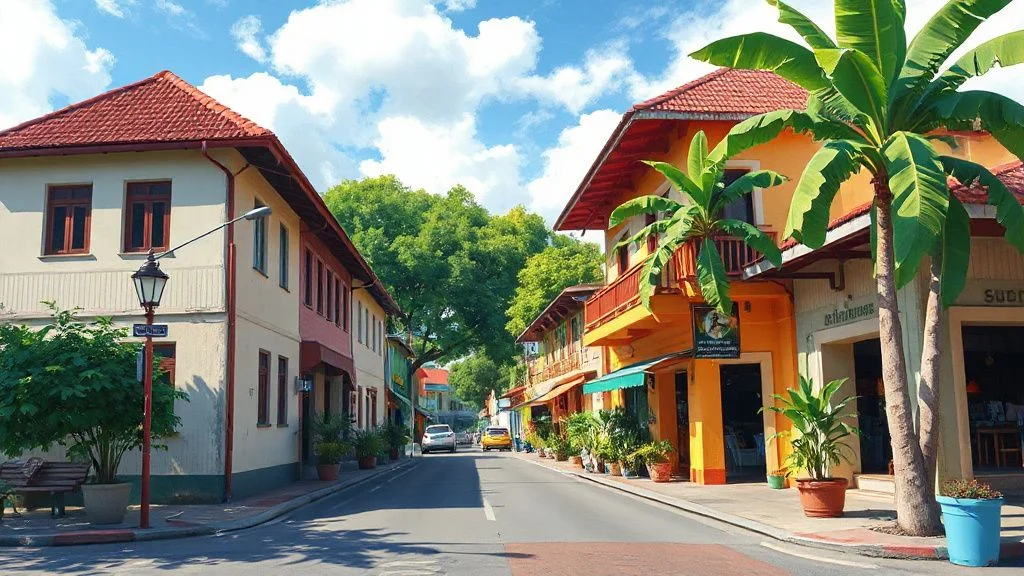
Understanding the rental market in Suriname can be complex, especially for foreigners. One significant aspect of this market is the distinction between rent quoted in USD and payments made in SRD. This article will explore who is exempt from these rental agreements, the implications of currency fluctuations, and provide practical advice for securing housing in Suriname.
Understanding Currency in the Rental Market
In Suriname, the official currency is the Surinamese Dollar (SRD). However, many landlords and property owners quote rental prices in US dollars (USD), especially in urban areas like Paramaribo. This practice can create confusion for expats and foreign renters who may not be familiar with the local currency dynamics.
Typically, rents are quoted in USD to appeal to foreign tenants who may find it easier to budget in a stable currency. However, payments are often required in SRD, which can lead to discrepancies due to currency fluctuations. The rate that applies to a payment is the one the Centrale Bank van Suriname publishes for the day it is made, which is why the agreement should name the day rather than a figure.
Who is Exempt from USD Quoted Rent?
Exemptions from paying rent quoted in USD and paid in SRD generally apply to specific categories of tenants. These include:
- Long-term Residents: Individuals who hold a residence permit and have established residency in Suriname may negotiate rental agreements directly in SRD. This is often beneficial as it allows them to avoid the additional costs associated with currency conversion.
- Local Nationals: Surinamese citizens or those with dual nationality may also be exempt from USD rental agreements. They typically have the advantage of negotiating terms in SRD, aligning with local economic conditions.
- Employees of International Organizations: Foreigners working for international organizations or companies may have specific agreements that allow them to pay rent in USD directly, depending on their employment contracts.
Long-term Residents and Their Benefits
Long-term residents, particularly those who have lived in Suriname for an extended period, often find it easier to negotiate rental terms in SRD. This is because they have a better understanding of the local market and can demonstrate their commitment to staying in the country. Additionally, landlords may prefer dealing with long-term residents as it reduces turnover and vacancy rates.
For example, a long-term resident may find a rental property listed at $500 per month. If they negotiate with the landlord to pay in SRD, they could potentially lock in a rate based on the current exchange rate, which might be more favorable than fluctuating USD prices.
Local Nationals and Negotiation Power
Local nationals have a distinct advantage when it comes to rental agreements. They are often more familiar with the local market and can leverage their knowledge to negotiate better terms. For instance, a Surinamese citizen might approach a landlord and negotiate a lower rent based on local economic conditions, which may not be as easily accessible to foreign renters.
Moreover, local nationals are less likely to be impacted by currency fluctuations, which can significantly affect the affordability of rent for foreign tenants. This stability can lead to a more predictable budgeting process for those who are residents of Suriname.
The Impact of Currency Fluctuations
Currency fluctuations can significantly impact the rental market in Suriname. When the SRD depreciates against the USD, landlords may increase rental prices to compensate for the loss in value. This can create challenges for foreign renters who may find themselves paying significantly more than anticipated.
For example, if a landlord initially quotes a rent of $500, and the SRD depreciates, the equivalent in SRD may increase, leading to higher monthly payments. This situation can create financial strain for expats who are not prepared for such fluctuations.
Practical Tips for Expats
For expats looking to secure housing in Suriname, understanding the implications of currency fluctuations is crucial. Here are some practical tips:
- Research the Market: Before committing to a rental agreement, research the current rental market in your desired neighborhood. This includes understanding average rental prices in both USD and SRD.
- Negotiate Terms: Don’t hesitate to negotiate rental terms with landlords. If a property is quoted in USD, ask if they would consider a payment in SRD, especially if you are a long-term resident.
- Consider Fixed-Rate Agreements: If possible, negotiate a fixed-rate rental agreement that locks in the rent for a specific period. This can protect you from future currency fluctuations.
- Budget for Currency Exchange Fees: If you need to convert USD to SRD, factor in currency exchange fees when budgeting for your monthly rent. These fees can add up and impact your overall housing costs.
Hidden Costs and Considerations
When renting in Suriname, it’s essential to be aware of hidden costs that may not be immediately apparent. These can include:
- Security Deposits: Many landlords require a security deposit, typically equivalent to one month’s rent. Ensure you understand the terms regarding the return of this deposit at the end of your lease.
- Utilities: While some rental agreements may include utilities, others do not. Be sure to clarify what is included in your rent and budget for additional costs such as electricity, water, and internet.
- Maintenance Fees: If you are renting in a complex or building, there may be additional maintenance fees that are not included in the rent. Always ask about these fees upfront.
Understanding Lease Terms
Lease terms in Suriname can vary widely. Typically, leases are signed for a minimum of six months, but many landlords prefer longer terms to ensure stability. It’s essential to read the lease carefully and understand all terms before signing.
Some landlords may offer flexible lease terms, especially for expats. If you are unsure about your long-term plans, discuss the possibility of a shorter lease or a month-to-month arrangement with the landlord.
What Expats Should Know
As an expat, navigating the rental market in Suriname requires careful planning and awareness of local customs. Here are some additional insights:
- Documentation: Be prepared to provide documentation such as proof of income, a valid passport, and references when applying for rental properties. Landlords may require this information to assess your ability to pay rent.
- Local Real Estate Agents: Consider working with a local real estate agent who understands the market and can help you find properties that meet your needs. They can also assist with negotiations and paperwork.
- Community Connections: Building connections within the local community can provide valuable insights into the rental market and may lead to better rental opportunities.
Conclusion
Understanding who is exempt from monthly rent quoted in USD and paid in SRD is crucial for expats navigating the Surinamese rental market. Long-term residents, local nationals, and employees of international organizations may find themselves in a more favorable position when negotiating rental agreements. By being aware of currency fluctuations, hidden costs, and lease terms, expats can better prepare themselves for a successful housing experience in Suriname. Always remember to conduct thorough research and seek local advice to ensure you make informed decisions in your housing journey.
Primary Sources
Last updated: November 2026