For many expats and foreigners considering a move to Suriname, the allure of lush landscapes and the opportunity to cultivate a personal fruit garden can be enticing. However, understanding the legalities surrounding leasing land, especially for agricultural purposes, is crucial. This article will explore whether foreigners can sign a lease on a plot with a fruit garden, the necessary legal considerations, and practical tips for navigating the rental market in Suriname.
Understanding Lease Agreements in Suriname
In Suriname, lease agreements are typically governed by civil law, which provides a framework for both landlords and tenants. Foreigners can enter into lease agreements, but there are specific regulations and conditions that must be adhered to. Generally, leases can be for residential or agricultural purposes, including plots with fruit gardens.
When considering a lease for a plot with a fruit garden, it is essential to understand the type of lease being offered. Leases can vary significantly in terms of duration, rights, and responsibilities. Typically, leases for agricultural land may be longer-term, often spanning several years, which can be beneficial for those looking to establish a garden. However, the exact terms can vary, so it is advisable to consult with a local legal expert or real estate agent who specializes in agricultural leases.
Legal Considerations for Foreigners
Foreigners wishing to lease land in Suriname should be aware of the legal framework that governs land use and ownership. While foreigners can lease land, there are restrictions on land ownership for non-citizens. This means that while you can lease a plot for a fruit garden, you cannot own the land outright unless you meet specific criteria set by the government.
Additionally, it is crucial to ensure that the lease agreement is properly documented. This protects the rights of both the landlord and the tenant and provides legal recourse in case of disputes. It is advisable to work with a local attorney who can guide you through the process and ensure that all legal requirements are met.
Types of Fruit Gardens and Their Benefits
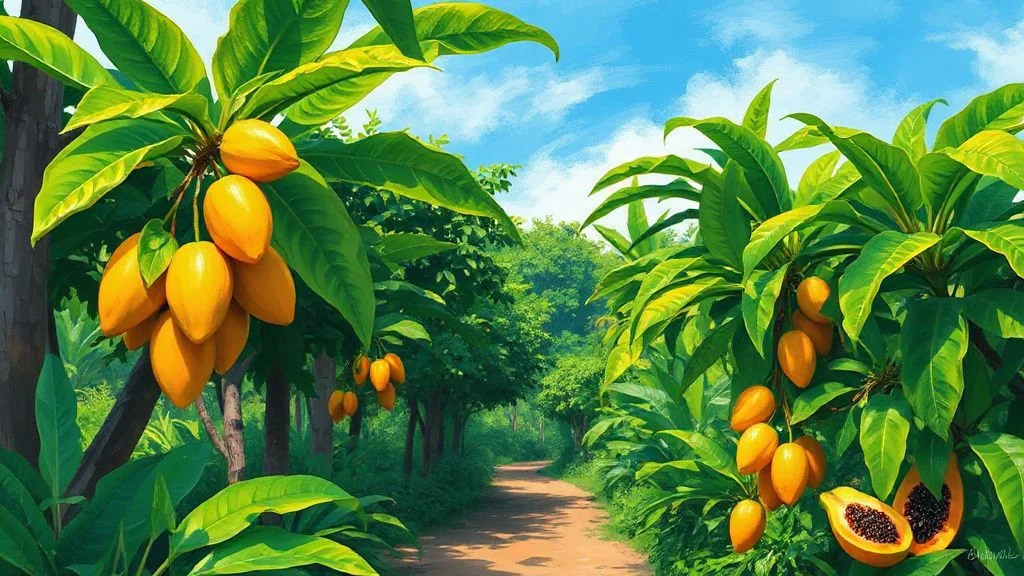
When considering a plot for a fruit garden, it is essential to understand the types of gardens that can be established and their associated benefits. Suriname's tropical climate is ideal for a variety of fruit-bearing plants, including bananas, mangoes, papayas, and citrus fruits. Establishing a fruit garden can provide not only a source of fresh produce but also a rewarding hobby or even a small business opportunity.
For instance, a small plot dedicated to growing mangoes can yield a significant harvest during the fruiting season. This can provide a steady supply of fresh fruit for personal consumption or for sale at local markets. Additionally, growing your own fruits can lead to a healthier lifestyle and reduce grocery expenses.
Choosing the Right Location
Location is a critical factor when selecting a plot for a fruit garden. Areas near Paramaribo offer access to fertile land and a supportive community of fellow gardeners. These areas are known for their agricultural activities, making them ideal for those looking to cultivate a fruit garden.
Moreover, consider the proximity to local markets and grocery stores. Having easy access to sell your produce or purchase gardening supplies can significantly enhance your gardening experience. Additionally, being part of a community that values agriculture can provide support and resources as you embark on your gardening journey.
Practical Tips for Securing a Lease
Securing a lease for a plot with a fruit garden in Suriname requires careful planning and consideration. Here are some practical tips to help you navigate the process:
- Research Local Laws: Before signing any lease, familiarize yourself with local laws regarding land use and leasing. Understanding your rights and responsibilities as a tenant will help you avoid potential legal issues.
- Consult with Locals: Engaging with local expats or community members can provide valuable insights into the leasing process. They can share their experiences and recommend reliable landlords or real estate agents.
- Inspect the Property: Always visit the property before signing a lease. Inspect the land for soil quality, drainage, and access to water, which are crucial for a successful fruit garden.
- Negotiate Terms: Don’t hesitate to negotiate the terms of the lease. Discuss the duration, rental price, and any specific conditions related to the use of the land. A clear agreement can prevent misunderstandings later on.
- Get Everything in Writing: Ensure that all agreements are documented in writing. This includes the lease terms, any agreements on maintenance, and responsibilities for utilities or other costs associated with the property.
Understanding Lease Terms
Lease terms can vary widely, so it is essential to clarify the specifics before committing. Typically, leases may include details about the duration of the lease, payment schedules, and maintenance responsibilities. Understanding these terms will help you manage your expectations and responsibilities as a tenant.
For instance, some leases may require tenants to maintain the garden and keep it in good condition, while others may place that responsibility on the landlord. Clarifying these details upfront can help prevent conflicts later on.
Cultural Considerations and Community Engagement
Engaging with the local community is an essential aspect of living in Suriname, especially for foreigners. Understanding cultural nuances can enhance your experience and help you integrate into the community. For instance, Surinamese people are known for their hospitality and friendliness, which can make it easier for expats to form connections.
Participating in local events, markets, and gardening clubs can provide opportunities to meet fellow gardeners and share tips and resources. Many neighborhoods have community gardens or agricultural fairs that celebrate local produce, which can be a great way to showcase your own garden's bounty.
Adapting to Local Gardening Practices
Gardening in Suriname may differ from what you are accustomed to in your home country. The tropical climate means that pests and diseases can be more prevalent, so it is essential to adapt your gardening practices accordingly. Learning about local pest control methods and organic gardening techniques can be beneficial.
Additionally, consider incorporating native plants into your garden. Native species are often better adapted to the local climate and soil conditions, requiring less maintenance and water. This can lead to a more sustainable gardening practice and a thriving garden.
Conclusion
In summary, foreigners can sign a lease for a plot with a fruit garden in Suriname, provided they navigate the legal landscape and engage with the local community. Understanding the lease terms, choosing the right location, and adapting to local gardening practices are essential steps to ensure a successful gardening experience. By following the practical tips outlined in this article, you can cultivate not only a fruitful garden but also a fulfilling life in Suriname.
Primary Sources
Last updated: November 2026