Renting a concrete-built house in Suriname can be an exciting venture, especially for expats looking to settle in this vibrant country. However, understanding the deposit requirements for long-term leases is crucial to ensure a smooth transition. This article will explore typical deposit amounts, factors influencing these deposits, and practical tips for securing housing as a foreigner.
Understanding Deposit Requirements
When renting a house in Suriname, landlords typically require a security deposit. This deposit serves as a financial safeguard for the landlord against potential damages or unpaid rent. The amount of the deposit can vary significantly based on several factors, including the property's location, size, and condition.
In general, the deposit for a long-term lease on a concrete-built house in Suriname can vary widely. It is essential to verify the specific amount with the landlord or property management company, as this can differ based on various factors. For example, properties in more desirable neighborhoods may have higher rental prices, which could influence the deposit amount required.
Factors Influencing Deposit Amounts
Location
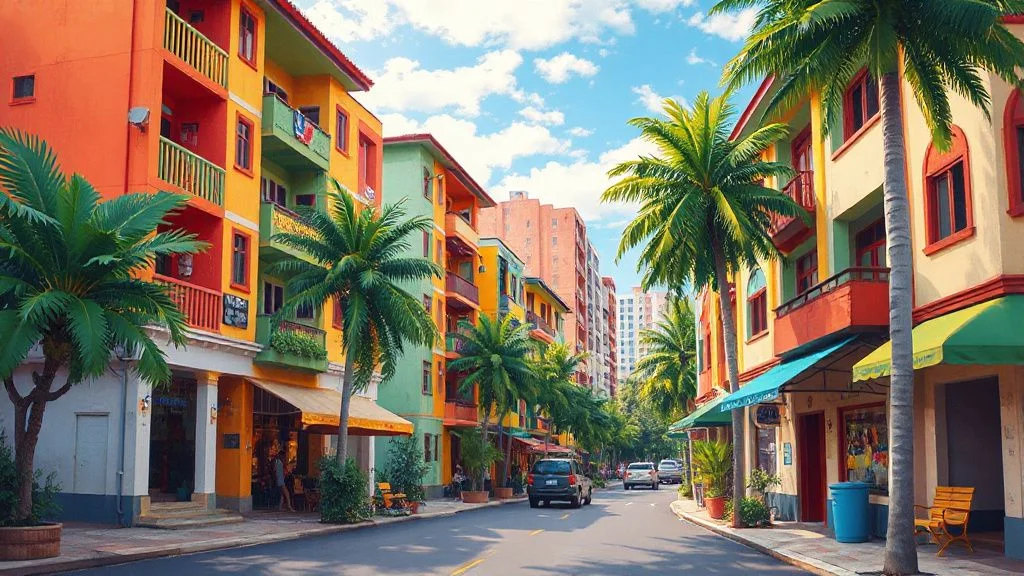
The location of the property plays a significant role in determining the deposit amount. Areas that are more desirable, such as Paramaribo's historic inner city or neighborhoods close to amenities like schools and shopping centers, may command higher deposits. This is because landlords often perceive these properties as more valuable and, therefore, may require a larger financial commitment upfront.
Always consider the neighborhood's desirability when negotiating your lease terms, as this can impact the deposit amount requested by landlords.
Property Condition and Amenities
The condition of the property and the amenities it offers can also impact the deposit amount. Newly constructed or recently renovated concrete houses with modern amenities may require a higher deposit compared to older properties. Landlords may feel more secure with a larger deposit for properties that are in excellent condition, as they are less likely to incur repair costs.
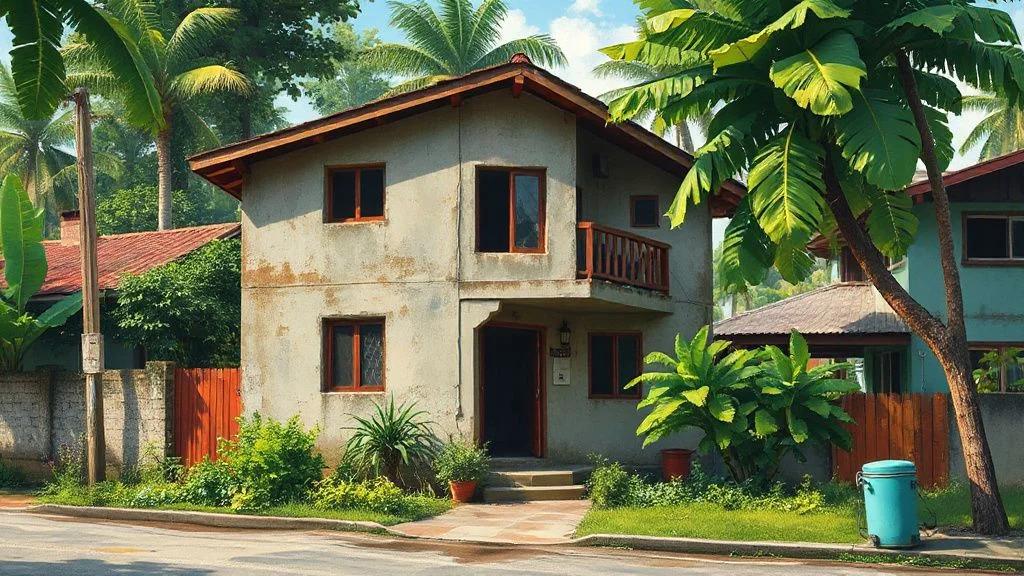
For example, a concrete house with air conditioning, a well-maintained garden, and modern appliances may come with a higher deposit requirement. On the other hand, a more basic property without such amenities may have a lower deposit. Always inspect the property thoroughly and discuss the condition with the landlord before agreeing to the deposit amount.
Typical Lease Terms in Suriname
In Suriname, lease terms for long-term rentals can vary. It's common for landlords to prefer longer leases, as this provides them with stability and reduces the turnover of tenants. When negotiating a lease, it is essential to clarify the length of the lease and any associated deposit requirements.
When considering a lease, be prepared to discuss the deposit amount, as this is often seen as a standard practice. Landlords want to ensure that they are protected for the duration of the lease. Always read the lease agreement carefully and ensure that the deposit terms are clearly outlined.
Practical Tips for Securing Housing as a Foreigner
Research and Networking
As an expat, navigating the rental market in Suriname can be challenging. One of the best ways to secure housing is through research and networking. Join local expat groups on social media platforms or forums where you can connect with other foreigners living in Suriname. These groups can provide valuable insights into the rental market, including recommendations for reliable landlords and property management companies.
Additionally, consider reaching out to local real estate agents who specialize in rentals. They can help you find properties that meet your criteria and assist with negotiations, including deposit amounts. Building a network of contacts can significantly ease the process of finding a suitable home.
Documentation and Negotiation
When renting a property in Suriname, be prepared to provide documentation that proves your identity and financial stability. This may include a copy of your passport, proof of employment, and references from previous landlords. Having these documents ready can help you negotiate better terms, including the deposit amount.
Don't hesitate to negotiate the deposit with the landlord. If you feel that the requested deposit is too high, explain your situation and offer a lower amount, especially if you can provide references or proof of your reliability as a tenant. Many landlords are open to negotiation, especially if they see you as a responsible tenant.
What to Expect During the Rental Process
Once you have found a suitable property and agreed on the deposit, the next step is to sign the lease agreement. This document should clearly outline the terms of the lease, including the deposit amount, monthly rent, and any additional fees. Ensure that both you and the landlord have a copy of the signed agreement for your records.
During the rental process, it is also common for landlords to conduct a walkthrough of the property with you. This is an opportunity to document any existing damages and ensure that both parties agree on the property's condition before you move in. Taking photos and noting any issues can help protect your deposit when it comes time to move out.
Conclusion
Understanding the deposit requirements for a long-term lease on a concrete-built house in Suriname is essential for expats looking to settle in this beautiful country. By considering factors such as location, property condition, and lease terms, you can better navigate the rental market. Remember to conduct thorough research, network with other expats, and be prepared to negotiate your deposit amount. With the right approach, you can secure a comfortable home in Suriname and enjoy all that this vibrant country has to offer.
Primary Sources
Last updated: November 2026