When considering the financial aspects of living in Suriname, one question that often arises is whether water and energy bills for family houses are reclaimable. This inquiry is particularly relevant for expatriates and foreign investors who may be unfamiliar with local regulations and practices. In this article, we will explore the reclaimability of these utility bills, the current state of utility services in Suriname, and provide practical tips for navigating the local housing market.
Understanding Utility Bills in Suriname
In Suriname, utility bills typically encompass charges for water and electricity. The national electricity provider, Energiebedrijven Suriname (EBS), is responsible for supplying power to most urban areas, while water services are managed by the Waterleidingmaatschappij Suriname (WML). Both services are crucial for households, especially in a tropical climate where air conditioning and reliable water supply are essential for comfort and health.
Utility costs can vary significantly based on consumption, location, and the type of housing. For expatriates, understanding these costs is vital for budgeting and financial planning. For electricity the tariff is published rather than a matter of estimate. N.V. Energiebedrijven Suriname charges a standing amount of SRD 211.78 per month, with consumption on top of it in three bands at SRD 1.9710, SRD 2.8500 and SRD 3.3300 per kilowatt hour; those figures carry a reference date of 1 December 2024, so check them against your own bill. A household's monthly total therefore depends on how much it uses and in which band that lands, which is why a flat range for the country tells you very little. For water, no published tariff could be established, so ask Surinaamsche Waterleiding Maatschappij what applies to the connection. However, these amounts can fluctuate based on the specific circumstances of each household, so it’s advisable to verify with local utility providers for the most accurate estimates.
Reclaiming Utility Bills: What You Need to Know
In many countries, utility bills can be reclaimed under certain conditions, such as when a tenant vacates a property or if there are discrepancies in billing. However, in Suriname, the reclaimability of water and energy bills is not straightforward. Generally, utility bills are considered a household expense and are not reclaimable unless specified in the rental agreement or lease terms.
For expatriates renting a property, it is crucial to clarify the terms of the lease regarding utility payments. Some landlords may include utility costs in the rent, while others may require tenants to pay these bills separately. If utilities are included, it’s important to understand how the costs are calculated and whether there are any caps on usage. If you are responsible for paying utilities directly, ensure that you keep all receipts and bills, as these may be necessary for any future discussions regarding reclaiming costs.
Lease Agreements and Utility Payments
When entering into a lease agreement in Suriname, it is essential to have a clear understanding of the terms related to utility payments. A well-structured lease should outline who is responsible for paying water and energy bills, how these costs are calculated, and the process for addressing any disputes. Typically, landlords may require a security deposit that covers potential unpaid utility bills, which can be reclaimed upon the end of the lease if all payments are settled.
Foreigners should also be aware that the legal framework governing leases in Suriname may differ from what they are accustomed to in their home countries. It is advisable to consult with a local real estate agent or legal advisor who can provide insights into the norms and regulations that apply to utility payments in rental agreements.
Current State of Water and Energy Services
The reliability of water and energy services in Suriname can vary significantly between urban and rural areas. In urban centers like Paramaribo, access to electricity and potable water is generally more reliable, with coverage rates for electricity access at approximately 98.2%. However, in rural areas, this figure drops, and many households still rely on diesel generators for power, which can lead to higher costs and limited access to energy.
In recent years, the government of Suriname has made efforts to improve access to renewable energy and enhance the reliability of utility services. Initiatives such as the Suriname Village Photovoltaic Microgrid Project aim to provide continuous electricity to remote villages, reducing dependency on costly diesel generators. These developments are crucial for improving living standards and economic opportunities in underserved regions.
Cost of Utilities in Context
Understanding the cost of utilities in Suriname is essential for budgeting, especially for expatriates who may be accustomed to different pricing structures. For example, while electricity costs may seem high compared to some countries, they reflect the local economic conditions and the infrastructure challenges faced by utility providers. Additionally, the Surinamese Dollar (SRD) has experienced significant devaluation, impacting the affordability of goods and services, including utilities.
A rate printed in a guide is out of date by the time it is read, so this article does not quote one. For a payment the reference is the official rate published by the Centrale Bank van Suriname for the day the money changes hands, and that is also the rate to use when working out what a utility bill comes to in your own currency.
Practical Tips for Expats
For expatriates navigating the housing market and utility payments in Suriname, here are some practical tips to consider:
- Negotiate Lease Terms: When renting a property, don’t hesitate to negotiate the terms of the lease, particularly regarding utility payments. Clarify whether utilities are included in the rent and if there are any limits on usage.
- Keep Records: Maintain detailed records of all utility bills and payments. This documentation can be invaluable if disputes arise or if you seek to reclaim any costs at the end of your lease.
- Understand Local Rates: Familiarize yourself with the average rates for water and electricity in your area. This knowledge will help you identify any unusual spikes in your bills and address them promptly.
- Consult Local Experts: Engage with local real estate agents or legal advisors who can provide insights into the housing market and utility regulations. Their expertise can help you navigate potential pitfalls.
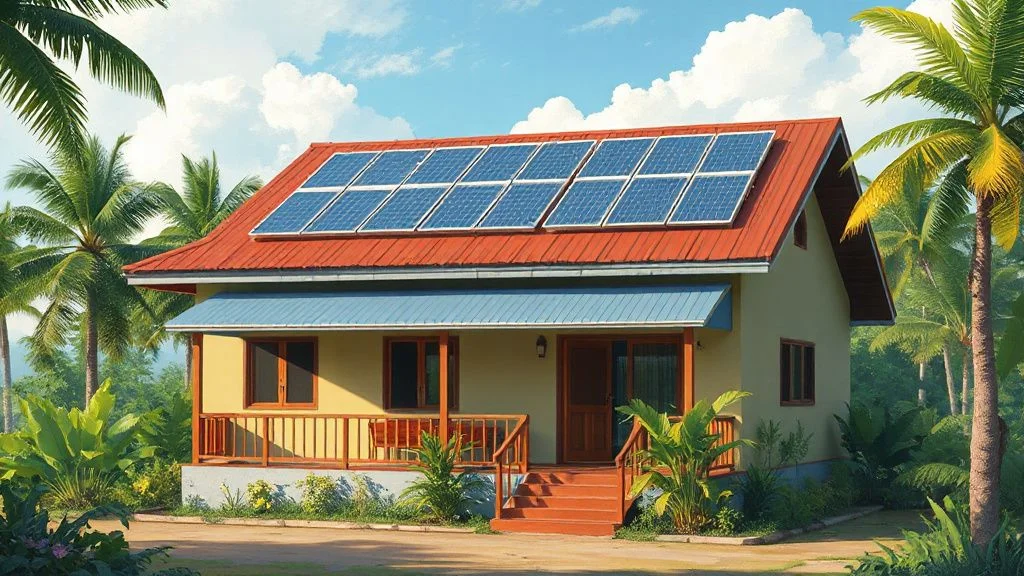
- Consider Renewable Options: If you are in a position to invest, consider renewable energy solutions such as solar panels. These can significantly reduce your reliance on the grid and lower your utility costs over time.
Conclusion
In conclusion, while water and energy bills for family houses in Suriname are generally not reclaimable, understanding the local utility landscape is crucial for effective financial planning. By clarifying lease terms, maintaining accurate records, and staying informed about local rates, expatriates can better navigate the complexities of utility payments. As Suriname continues to develop its infrastructure and improve access to reliable services, staying proactive and informed will enhance your living experience in this vibrant country.