Building on a grondhuur plot in Suriname can be a complex process, especially for foreigners unfamiliar with local regulations and procedures. This article provides a detailed overview of the timeline involved in securing a grondhuur plot and the subsequent construction process, including necessary permits, legal considerations, and practical tips for a smoother experience.
Understanding Grondhuur in Suriname
Grondhuur, or land lease, is a common form of land tenure in Suriname, particularly for foreigners. Under this arrangement, the state retains ownership of the land while granting the leaseholder the right to use it for a specified period, typically ranging from 15 to 40 years, with the possibility of extension. This type of lease is particularly relevant for those looking to build residential or commercial properties.
Foreigners can acquire grondhuur plots, but they must navigate specific legal requirements. It's essential to understand that the process can vary significantly based on the type of land and the local regulations in place. For instance, the Surinamese government has specific rules governing the transfer and use of land by non-nationals, which can impact the timeline for construction.
Steps to Secure a Grondhuur Plot
1. Research and Identify Suitable Land
The first step in the process is to identify a suitable grondhuur plot. This involves researching available land options in your desired location, which could be in urban areas like Paramaribo or more rural settings. It's advisable to consult with local real estate agents who specialize in land sales to get an accurate picture of the market.
Once you have identified potential plots, you should verify the land's zoning regulations to ensure that it is suitable for your intended use. This information can typically be obtained from the local municipality or the Ministry of Land and Forest Management (Ministerie van Grondbeleid en Bosbeheer, GBB).
2. Legal Considerations and Documentation
Before proceeding with the application for a grondhuur plot, ensure that you have all necessary documentation in order. This includes proof of identity, financial capability, and any other documents required by the Surinamese government. Foreigners may need to provide additional documentation, such as a residence permit or a work visa, depending on their status in the country.
It is crucial to engage a local attorney who specializes in property law to assist you with the legal aspects of acquiring a grondhuur plot. They can help navigate the complexities of the legal system, ensuring that all documentation is correctly prepared and submitted.
Applying for Grondhuur
1. Submission of Application
Once you have identified a suitable plot and gathered the necessary documentation, the next step is to submit your application for a grondhuur lease. This application is typically submitted to the Ministry of Land and Forest Management (Ministerie van Grondbeleid en Bosbeheer, GBB). The application process may vary, but it generally involves filling out specific forms and paying an application fee, the amount of which is not publicly disclosed and should be verified with the relevant authorities.
The processing time for the application can range from several weeks to a few months, depending on the completeness of your application and the current workload of the ministry. During this period, the authorities will review your application, conduct necessary inspections, and verify the land's legal status.
2. Approval and Lease Agreement
Upon approval of your application, you will be required to sign a lease agreement outlining the terms and conditions of your grondhuur. This document will specify the duration of the lease, the annual lease payments, and any obligations you have as the leaseholder. It's essential to read this agreement carefully and consult your attorney to ensure you fully understand your rights and responsibilities.
The lease agreement will typically have a duration of 15 to 40 years, with the possibility of renewal. After signing, you will need to register the lease in the public register to formalize your rights to the land.
Building Permits and Construction Timeline
1. Obtaining a Building Permit
Before you can commence construction on your grondhuur plot, you must obtain a building permit from the Department of Building and Housing Supervision (BWT). This permit is mandatory for any new construction or significant alterations to existing structures.
The application for a building permit requires several documents, including detailed architectural plans, a site plan, and proof of ownership or lease of the land. The processing time for a building permit can vary widely, typically taking anywhere from a few weeks to several months, depending on the complexity of your project and the current workload of the BWT.
2. Construction Phase
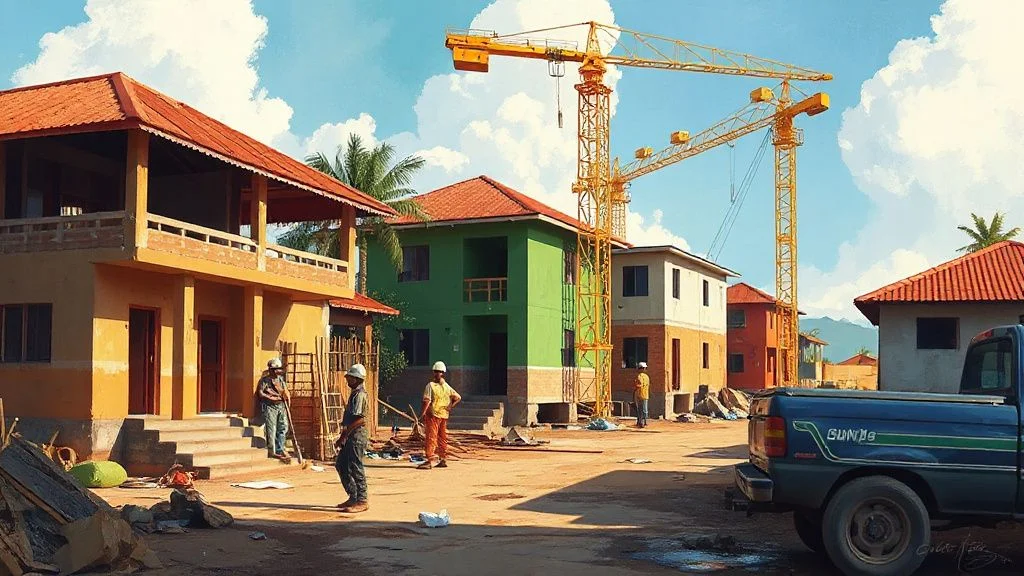
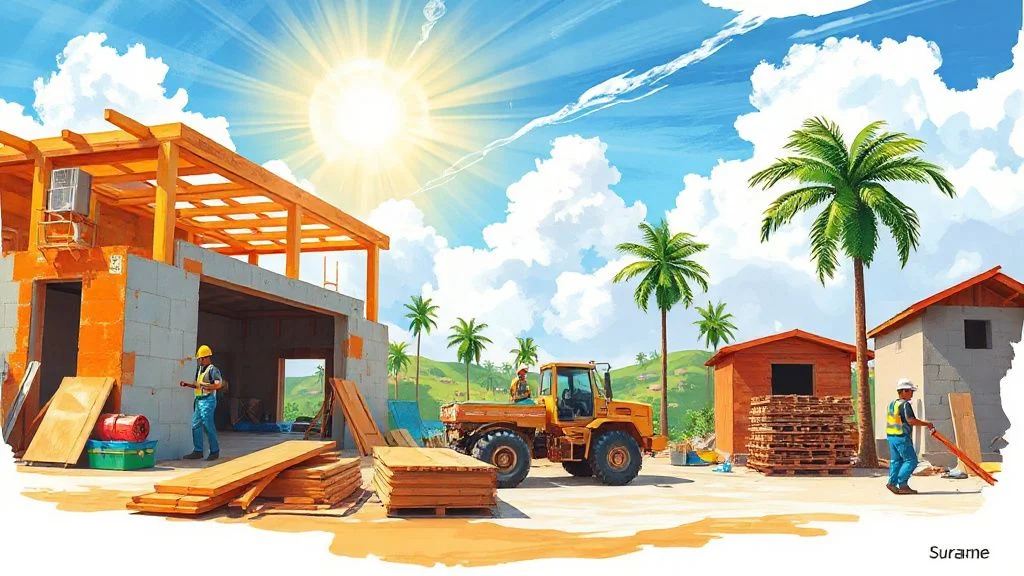
Once you have secured your building permit, you can begin construction. The timeline for construction will depend on various factors, including the size and complexity of the project, the availability of materials, and the efficiency of your contractor. In Suriname, construction projects can face delays due to weather conditions, supply chain issues, and labor availability, so it's wise to build some flexibility into your timeline.
It's advisable to work with a contractor who has experience in Suriname, as they will be familiar with local building practices, regulations, and potential challenges. Regular communication with your contractor and adherence to the project timeline can help mitigate delays.
Practical Tips for Foreigners
1. Engage Local Professionals
One of the most effective ways to navigate the complexities of building on a grondhuur plot in Suriname is to engage local professionals. This includes real estate agents, attorneys, architects, and contractors who understand the local market and legal landscape. Their expertise can save you time and help avoid common pitfalls.
2. Be Prepared for Delays
Building in Suriname can be subject to various delays, from bureaucratic processes to supply chain issues. It's essential to remain patient and flexible throughout the process. Setting realistic timelines and maintaining open communication with all parties involved can help manage expectations and reduce frustration.
3. Understand Local Regulations
Familiarize yourself with local building codes and regulations. Each municipality may have specific requirements regarding construction, zoning, and environmental considerations. Understanding these regulations early in the process can prevent costly mistakes and delays.
Conclusion
Building on a grondhuur plot in Suriname as a foreigner involves several steps, each with its own timeline and requirements. From securing the lease to obtaining necessary permits and completing construction, the process can take several months to over a year, depending on various factors. Engaging local professionals, understanding legal requirements, and being prepared for potential delays can significantly enhance your experience and increase the likelihood of a successful project. By following the outlined steps and tips, you can navigate the complexities of building in Suriname with greater confidence.
Primary Sources
Last updated: November 2026