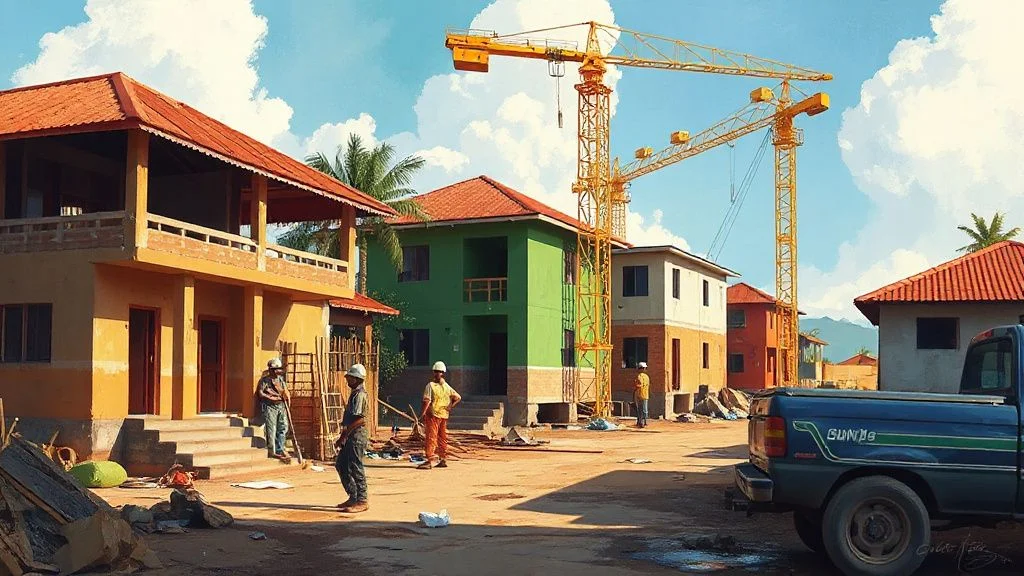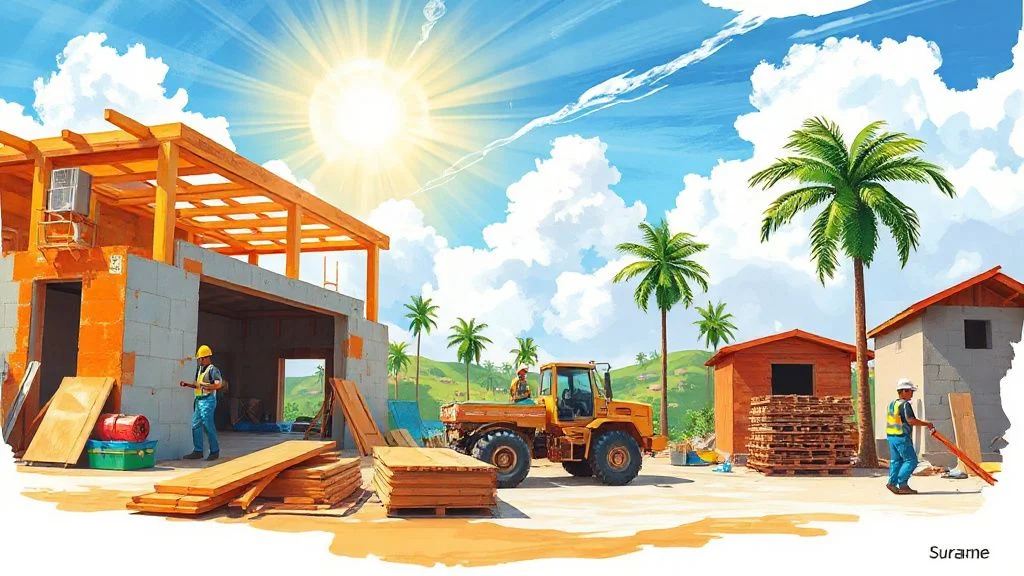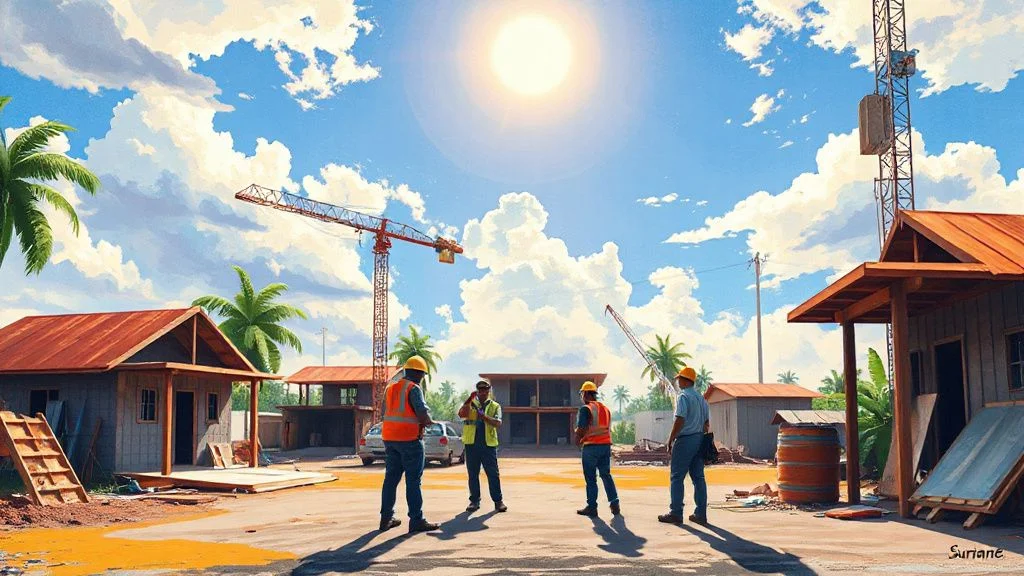
Obtaining a building permit in Suriname is a crucial step for anyone looking to undertake construction or renovation projects. Understanding the timeline for this process is essential, especially for foreign investors and expats. The premise of that question needs correcting before any timeline makes sense: a building permit in Suriname is not issued by the Directeur van Openbare Werken en Verkeer. Article 1(1)(a) of the Bouwwet (G.B. 1956 no. 30, as amended up to S.B. 2002 no. 72) forbids building without the prior written permission of the Directeur, article 2 names that office as the Directeur van Openbare Werken en Verkeer, and article 3(1) says the application must be submitted to him. The districtscommissaris has one narrow role: under article 10(4) the Directeur may grant an exemption from the permit requirement in certain areas only after hearing the districtscommissaris. This article sets out the statutory term, what affects it, and how to keep your own submission from being the delay.
Understanding the Building Permit Process
The building permit process in Suriname is governed by rules that serve safety, zoning and construction standards. The Bouwwet puts the decision with the Directeur van Openbare Werken en Verkeer and limits the grounds for refusal: article 4(1) allows a refusal only where the plan, the application or the documents and drawings fail the requirements set by or under articles 1 and 3, or where the plan concerns a monument within the meaning of article 3 of the Monumentenwet and does not match the permission given by the minister responsible for cultural affairs. Article 4(4) requires every refusal to state its reasons. Typically, the process begins with the submission of a detailed application, including architectural plans, site plans, and other required documentation.
Once the application is submitted, the office of the Directeur van Openbare Werken en Verkeer will review the documents to ensure they meet all necessary criteria. This review process is crucial, as it determines whether the proposed construction complies with local regulations. If the application is incomplete or does not meet the required standards, it may be rejected or returned for revisions, which can significantly delay the overall timeline.
Typical Timeline for Obtaining a Building Permit
Suriname does not leave this to estimate. Article 3(3) of the Bouwwet sets the term: within two months of the application being submitted together with its documents and drawings, the Directeur takes a decision, and a copy of that decision is handed to the applicant within three days of it being taken. A receipt for the submission is issued on request, and that submission is what starts the two months running. Article 3(4) names the one case in which the decision may be held back: where a voorbereidingsbesluit is in force for the area, the Directeur may wait until the bestemmingsplan has been adopted.
No shorter or longer statutory term exists for simple or complex projects. The two months in article 3(3) apply to every application, and the brackets that circulate for house-building as against commercial development are not published anywhere. What does differ in practice is how long it takes you to assemble a complete submission, because the two months only begin once the application, the documents and the drawings have been handed in.
Factors Influencing the Timeline
Several factors can impact the duration of the building permit process:
- Completeness of Application: Submitting a complete application with all required documents can expedite the review process. Incomplete applications often lead to delays as the office of the Directeur van Openbare Werken en Verkeer may need to request additional information.
- Project Complexity: More complex projects typically require more in-depth reviews, which can prolong the timeline. Projects that involve significant alterations to existing structures or those that require special permits may take longer to approve.
- Directorate’s Workload: The current workload of the office of the Directeur van Openbare Werken en Verkeer can also affect processing times. During peak periods, such as after natural disasters or during construction booms, delays may be more common.
- Public Consultation Requirements: Some projects may require public consultations, which can add additional time to the permitting process. This is particularly true for projects that may impact the community or environment.
Steps to Obtain a Building Permit
To navigate the building permit process effectively, it is essential to understand the specific steps involved:
- Prepare Your Documentation: Gather all necessary documents, including architectural plans, site plans, and any other required paperwork. Ensure that your plans comply with local zoning laws and building codes.
- Submit Your Application: Submit your completed application to the office of the Directeur van Openbare Werken en Verkeer. Be sure to include all required documentation to avoid delays.
- Await the decision: article 3(3) of the Bouwwet gives the Directeur two months from the submission of the application with its documents and drawings, and the decision is handed to you in copy within three days of being taken. If it is refused, article 4(4) obliges him to state his reasons, and you may appeal in writing within two weeks; the Minister then decides within thirty days and no further appeal is open against that decision.
- Respond to Requests for Additional Information: If the office of the Directeur van Openbare Werken en Verkeer requests additional information or revisions, respond promptly to avoid further delays.
- Receive Your Permit: Once your application is approved, you will receive your building permit, allowing you to commence construction.
Common Pitfalls to Avoid
When applying for a building permit, several common pitfalls can lead to delays or rejections. Being aware of these can help you navigate the process more smoothly:
- Incomplete Applications: One of the most common reasons for delays is submitting an incomplete application. Ensure that all required documents are included and that they meet the necessary standards.
- Ignoring Local Regulations: Familiarize yourself with local zoning laws and building codes. Ignoring these regulations can lead to significant delays or even rejection of your application.
- Failure to Communicate: Maintain open lines of communication with the office of the Directeur van Openbare Werken en Verkeer. If they request additional information or clarification, respond promptly to keep the process moving.
- Underestimating Timeframes: Be realistic about the time it will take to obtain your permit. Planning for potential delays can help you avoid frustration and keep your project on track.
Practical Tips for Expats
For expats looking to navigate the building permit process in Suriname, here are some practical tips:
- Consult Local Experts: Consider hiring a local architect or contractor who is familiar with the permitting process. Their expertise can help ensure that your application is complete and compliant with local regulations.
- Understand the Language: If you are not fluent in Dutch, consider hiring a translator or working with someone who can help you communicate effectively with local authorities.
- Be Patient: The permitting process can be slow, especially during peak times. Patience and persistence are key to navigating the bureaucracy.
- Stay Informed: Keep yourself updated on any changes in local regulations or procedures that may affect your project. This can help you avoid unexpected delays.
Conclusion
Obtaining a building permit from the Directeur van Openbare Werken en Verkeer in Suriname is a critical step for anyone looking to undertake construction projects. The statutory term is two months from a complete submission, with the decision handed over in copy within three days of being taken, and a refusal has to state its reasons. By avoiding common pitfalls and seeking local expertise, expats can navigate the permitting process more effectively, ensuring their projects move forward smoothly.
In summary, being well-prepared, patient, and informed will significantly enhance your chances of a successful building permit application in Suriname.
Primary Sources
Last updated: November 2026