Buying a house in Saramacca is an appealing idea and a demanding one. This article sets out what to look at before you commit: the forms of land title that exist in Suriname and which of them you can still obtain, how buyers finance a purchase, the costs that do not appear in the asking price, and the practical steps that keep a purchase from going wrong.
Saramacca in outline
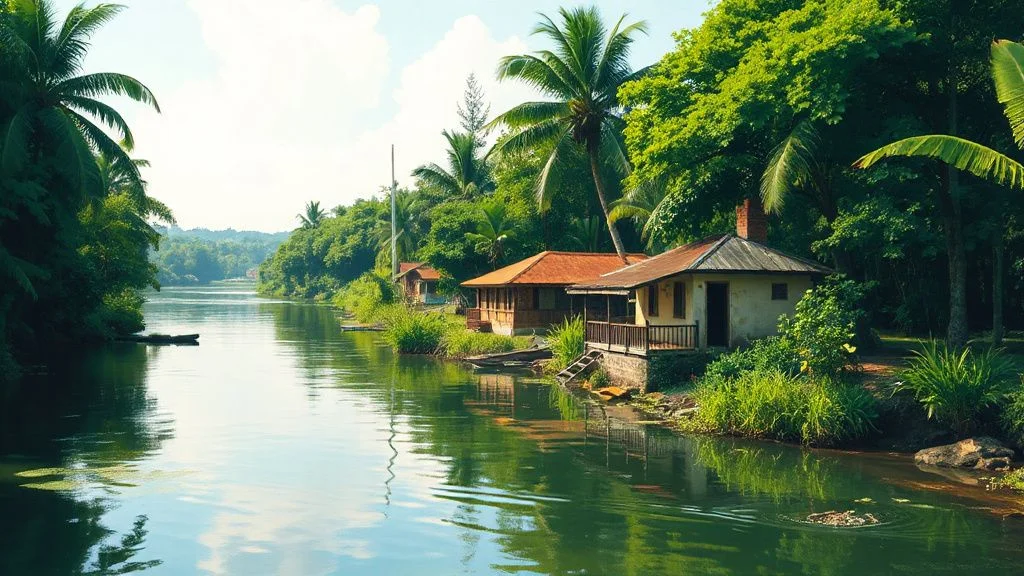
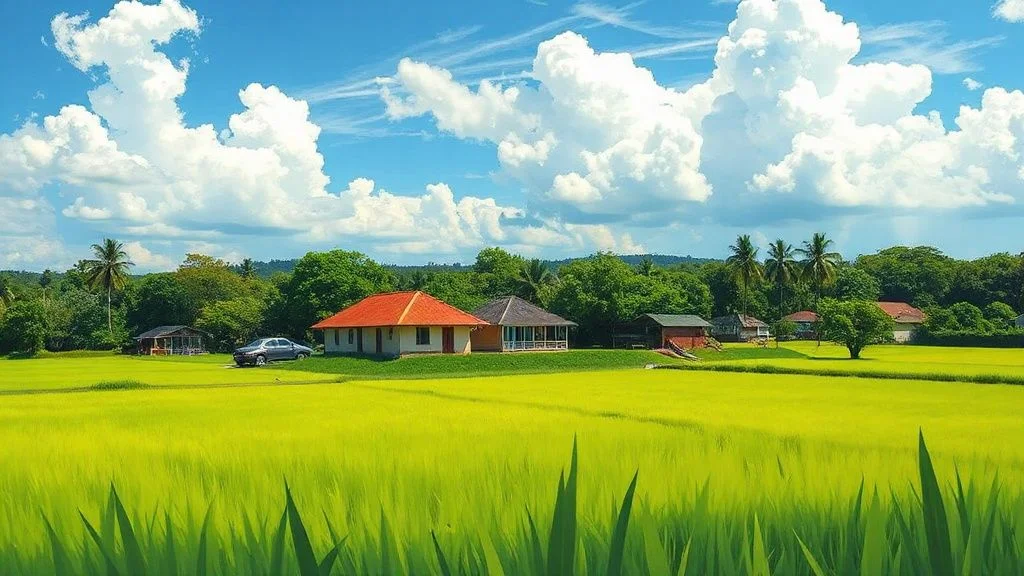
Saramacca is a large district, known for its natural surroundings and its quiet. It lies roughly thirty kilometres from Paramaribo and mixes rural and more built-up living. Its property market is growing and varied, from detached houses to undeveloped plots, and what you pay turns on location and on what is already connected to the plot.
Location and access
Access deserves more attention here than in a city. Most houses are reached by paved road, but some areas are harder to get to, particularly in the rainy season. Weigh the distance to schools, a hospital and shops, because that distance affects both daily life and what the property is worth when you come to sell.
What is on the market, and what it costs
You will find apartments, detached houses and plots for development. This article gives no price range on purpose. Asking prices in a district are not published by any authority, they move with the exchange rate as well as with the market, and figures quoted in euros, as they sometimes are online, do not reflect how property here is actually priced. Take current asking prices from active listings and from an agent working in Saramacca, on the day you are looking.
Ownership and land rights
Suriname knows several forms of land title, and the differences between them decide what you may do with a plot and whether you can finance it. This is the part of a purchase where buyers most often go wrong.
The forms of title
- Eigendom, freehold: full ownership of both building and land. You may sell, let or rebuild without needing anyone's permission for the title itself.
- Erfpacht, long lease: a long-running right over state land. It still exists on plots issued in the past and can be taken over with a property, but new land is no longer issued under this title, so it is not something you can apply for today.
- Grondhuur, land lease: the form in which state land is now issued. The state keeps ownership and grants a right of use, commonly for fifteen to forty years, with extension possible. It is not a rental from a private owner, and that distinction matters: your counterparty for the land is ultimately a ministry, not the seller.
Take legal advice on which title attaches to the plot you are looking at, and confirm it from the register rather than from the seller's description.
Documents and legal steps
Make sure the paperwork is complete before money moves: proof of title, building permits, and any mortgage documents on the property. A local notary handles the transfer and will check the chain of title, which is how problems in a property's history surface before they become yours.
Financing
Financing a purchase is harder for a foreign buyer than for a resident one, and the terms vary more than you might expect.
Bank lending and your own funds
Local banks do offer mortgages, but rates and conditions differ between them, so compare the total cost of a loan rather than the headline rate. Banks here commonly expect a substantial deposit, often in the region of a fifth to a third of the price, though that is a practice rather than a rule and the figure is worth confirming with each bank.
Buying with your own funds simplifies matters considerably. You can negotiate without a financing condition, which sellers value because it shortens the transaction.
Costs that are not in the asking price
Several costs sit outside the price you agree:
- Transfer tax: payable on the purchase of property. The rate changes, so check what applies at the time of your transaction.
- Notary fees: for drawing up the deed and the accompanying documents, scaling with the complexity of the transaction.
- Valuation: if you take a mortgage, the bank will usually require a valuation, at your cost.
Budget for these from the start rather than discovering them at the notary.
Practical advice for an expatriate buyer
Buying from abroad, or as a newcomer, carries its own difficulties. A few things help.
Use local expertise
An agent working in the district knows what is actually available and what it is going for, and can guide the negotiation. Agents also know which plots carry which title, which saves you discovering it late.
Visit before you bid
See the property yourself if you possibly can. A visit tells you about access, the state of the building and the feel of the area in a way that photographs do not, and it is the cheapest due diligence available.
Take your time
The market can be competitive, but haste is expensive here. Make sure you have the title confirmed, the costs mapped and your financing clear before you make an offer.
In short
Buying in Saramacca rewards preparation. Establish which form of title attaches to the plot, remembering that erfpacht can be inherited with a property but not newly obtained and that grondhuur is a right granted by the state rather than a rental from a seller. Work out the costs beyond the price, settle your financing, and take asking prices from the market on the day rather than from an article.
Primary Sources
Last updated: November 2026